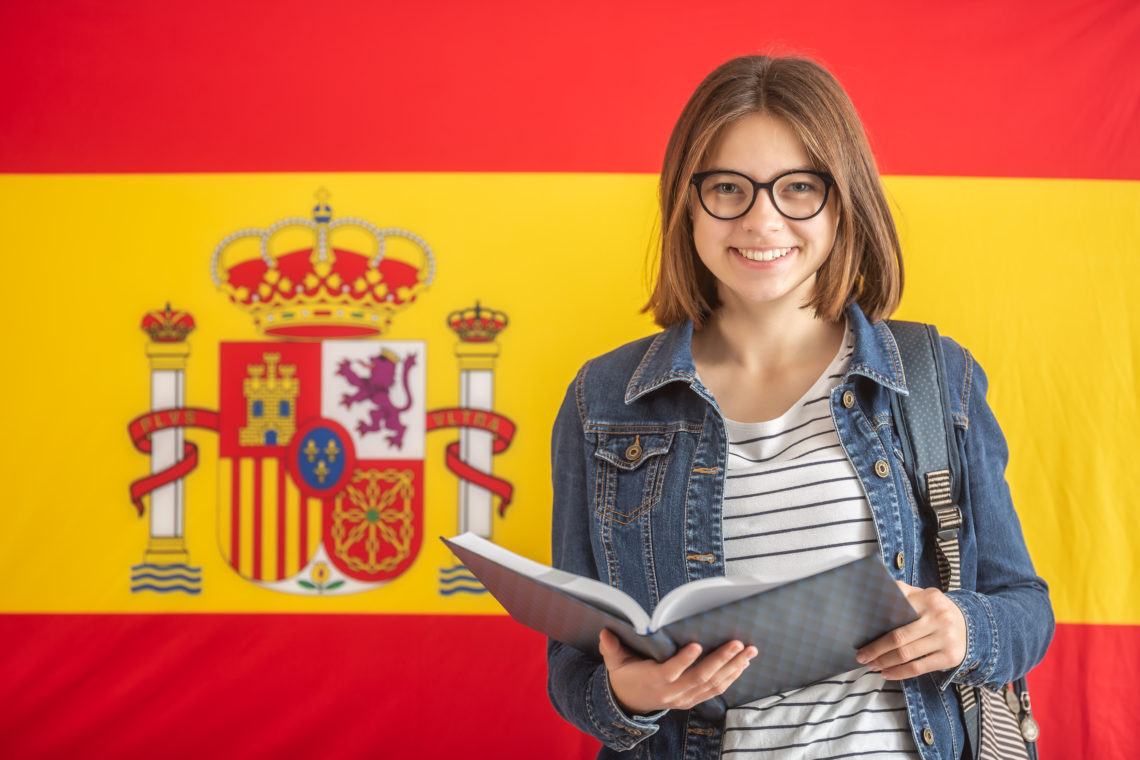
Are you thinking about moving to Spain with your family — for the sun, the sea, and a new beginning? Before you pack your suitcases, it’s good to know how the local education system works and whether children will easily adapt to school life there. Find out what education in Spain looks like and what’s worth considering when planning life under the palm trees.
Job offers in Spain at europa.jobs
The Education System in Spain – Basics
The education system in Spain operates on cooperation between the state and the autonomous communities. Compulsory education covers the period from 6 to 16 years of age and is divided into stages:
- Educación Infantil (preschool) – two phases: 0–3 years (first cycle) and 3–6 years (second cycle). Although not mandatory, almost 98% of children aged 3–5 attend the second cycle of preschool education.
- Educación Primaria (primary school) – from 6 to 12 years old, focusing on general subjects, language, mathematics, social and natural sciences.
- Educación Secundaria Obligatoria (ESO) – from 12 to 16 years old, ending with the ESO exam. After completing it, youth can choose one of two main pathways: Bachillerato (2 years of general education) or Formación Profesional – vocational education.
- After finishing Bachillerato or vocational school, students can continue their education at universities or higher-level post-secondary schools.
In 2025, as many as 20% of people aged 15–19 participate in higher education (vocational or university), nearly twice the OECD/EU average. Meanwhile, 39% of new students begin their higher education journey through vocational education, which is one of the highest rates in Europe.
Characteristics and Challenges of Schools in Spain
There are three main types of schools in Spain: public, concertadas (a combination of public and private funding), and private. Public schools are the most numerous and accessible to all children, but their quality may vary depending on the region and local resources. Concertadas and private schools often offer more extracurricular activities, better equipment, or foreign language basics but at a higher cost.
Regional differences are evident. Some autonomous communities invest significantly more in education, better support students with difficulties, and offer more extensive language or bilingual programs. In some regions, there are significant disparities in exam results and resources between urban and rural schools.
One of the challenges of Spanish education is early school leaving. Additionally, social inequalities, migration, language barriers, and access to educational support (e.g., tutoring, support programs) pose obstacles for some students.
School in Spain – What Does Daily Life Look Like?
The school day in Spain usually starts between 8:00 and 9:00 a.m. and ends between 2:00 and 4:00 p.m. It all depends on the region, type of institution, and schedule organization. Most public schools operate a so-called jornada continua — a morning block of lessons with a one-hour lunch break. However, in large cities, a longer school day model with classes also in the afternoon is becoming increasingly common.
Migrant children who do not yet speak Spanish often first join special adaptation classes called Aula de Acogida. This is a safe space where students intensively learn the language to soon join regular lessons. Importantly, the grading system is not based solely on tests. Students are also assessed on continuous work, projects, presentations, and classroom participation, allowing better monitoring of their progress.
Schools increasingly use modern technologies to support the teaching process, although voices calling for their moderate use are also growing. For example, in 2025, the Madrid region introduced regulations limiting the use of computers and tablets by primary school students to two hours per week to reduce excessive screen time and maintain a balance between digital tools and traditional educational methods.
Additionally, from the same year, all educational institutions, both public and private, are required to provide children daily with fresh fruits and vegetables and serve fish dishes at least once a week. This initiative is part of a national strategy to combat childhood obesity and promote healthy eating habits from an early age.
Conclusions and Recommendations
The education system in Spain is characterized by great flexibility. Both regarding available educational paths and the ability to tailor learning to individual student needs. Parents can choose between general or vocational profiles, benefit from a transparent transfer system between types of schools, and decide on public, private, or semi-private institutions.
For migrant families, something more than just the type of school matters. It’s important to thoroughly check whether a given school offers language support for children who don’t speak Spanish and what its educational resources are like.
Regional differences also matter — both in the quality of teaching and the availability of integration programs. Language barriers or limited access to pedagogical help can significantly affect how quickly a child adapts to the new system. Therefore, before moving, it’s worth visiting several schools in the chosen region, talking with school staff, and finding out what support options are available for foreign students.
And finally. For everyone planning not only a change of country but also looking for new professional challenges: current job offers in Spain can be found on the europa.jobs portal.
Other posts:
Healthcare System in Spain
How Much Does a Cleaner Earn Abroad?
Social Benefits and Allowances in Ireland – What You Should Know