Austria has long attracted foreign workers thanks to its stable economy, high standard of living and transparent labor market. Is it worth taking up employment there and what do everyday living costs look like? Our brief analysis of life in Austria makes it possible to check what real opportunities working in this country offers, making it easier to take an informed decision about moving abroad and to find the best conditions for yourself.
Job offers in Austria on europa.jobs
Cost of living in Austria in 2025 – basic expenses
The cost of living in Austria is higher compared to Central and Eastern Europe, but it goes hand in hand with the quality of public services and social security. Housing takes up the largest part of the budget, followed by food, transport and insurance.
Average monthly living costs in Austria for one person living in a city amount to around EUR 1,100–1,400, without luxuries but at a stable level. In smaller towns, costs are noticeably lower than in the capital.
Renting an apartment in Vienna in 2025
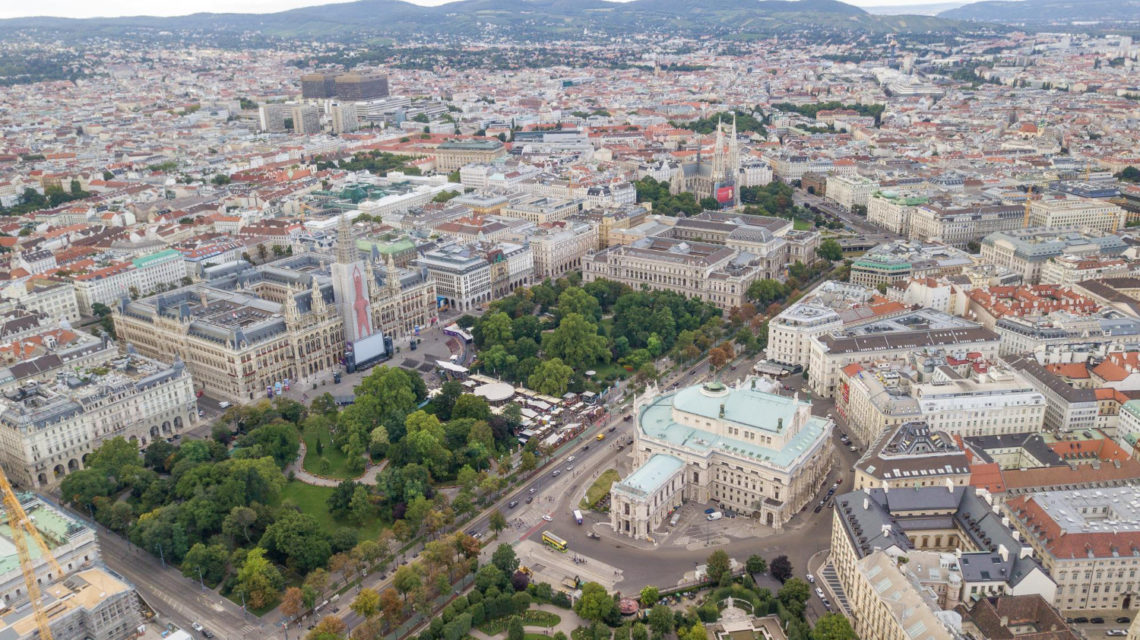
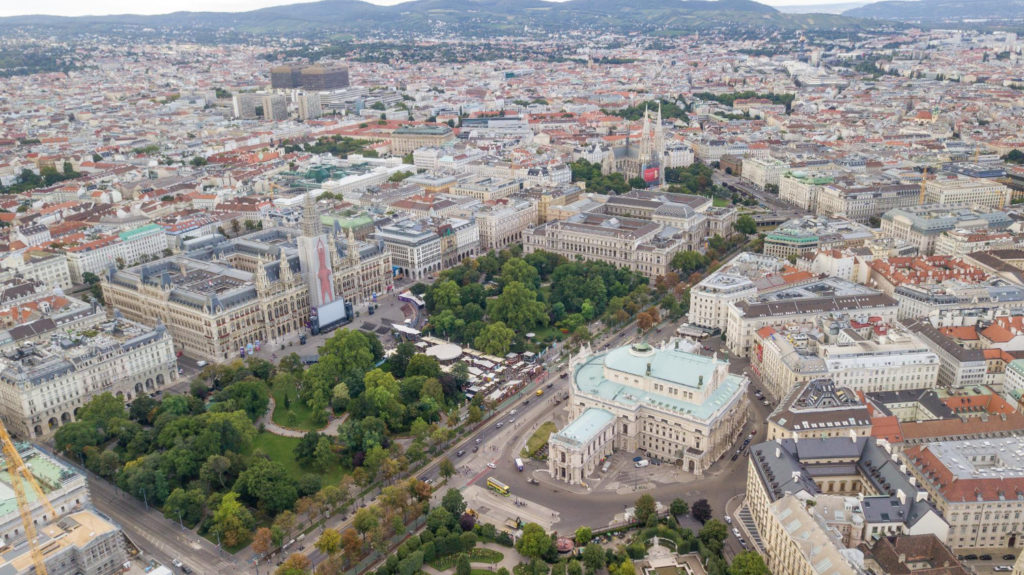
Vienna remains one of the most expensive cities in Austria. Apartment prices in Vienna remain at a high level, which is particularly felt by people planning a long-term stay. Purchasing property is an expense that exceeds the capabilities of most foreign workers.
A much more popular solution is renting an apartment in Vienna in 2025. For a studio or a small apartment, you have to pay from EUR 800 up to even EUR 1,200 per month, depending on the district and standard. Outside Vienna, rental prices are clearly lower and more affordable.
Wages in Austria in 2025
Wages in Austria are among the highest in the European Union. Average earnings in Austria are around EUR 3,500–4,000 gross per month, although much depends on the industry, region and experience.
Manual workers, technical workers, caregivers, construction workers or logistics employees can expect stable incomes that allow for independent living. Specialists and people with qualifications achieve significantly higher wages, which realistically compensate for the high cost of living.
Taxes and health insurance in Austria
The fiscal system is one of the key elements affecting net income. Taxes in Austria are progressive, which means that the tax burden increases as income rises. Despite this, the system is transparent and employees benefit from extensive social benefits.
Health insurance in Austria is mandatory and is most often deducted automatically from wages. In return, the employee gains access to a well-functioning healthcare system, which significantly reduces private medical expenses.
Cost of supporting a family in Austria
A family with children must expect monthly expenses at the level of EUR 2,800–3,500, depending on the place of residence and lifestyle.
On the other hand, Austria offers extensive family benefits, access to education and stable working conditions, which makes it an attractive country for long-term settlement.
Be sure to check: Family benefits in Austria
Is it worth working in Austria in 2026?
In 2026, the country will continue to offer good wages, social security and a high quality of life, which means that for many workers the financial and life balance will be positive.
If you are considering going to work in Austria, find an offer tailored to you on europa.jobs.