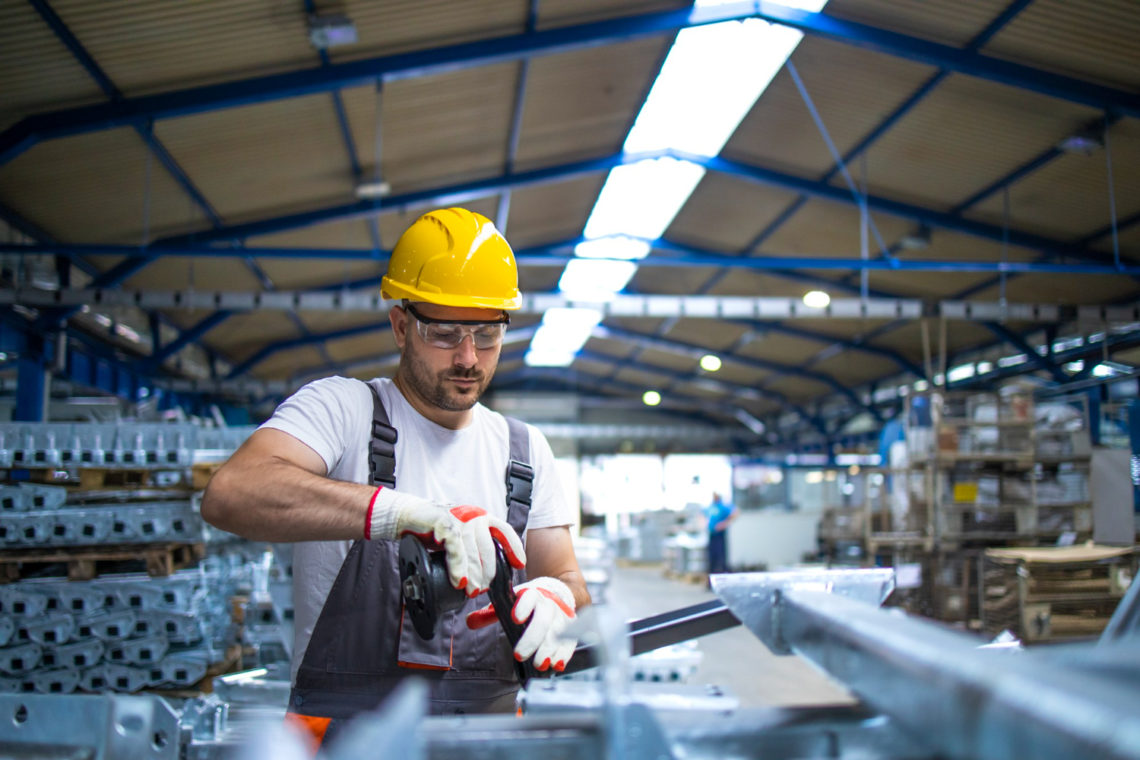
Work in the manufacturing sector has for years remained one of the most important pillars of the European economy. For many production workers, the key questions are actual earnings and the differences between EU countries. In 2025, wages in the manufacturing sector in Europe showed significant variation, depending on location, experience, and the type of plant.
Production job offers on europa.jobs
Production Workers’ Earnings in Europe 2025 – An Overview
In 2025, the earnings of production workers in Europe were noticeably higher than a few years earlier, mainly due to labor shortages, inflation, and rising living costs. Manual workers can increasingly count on bonuses for night shifts, overtime, attendance bonuses, and performance incentives. Western European countries remain the best paid, although Central and Eastern Europe is gradually closing the gap.
Production Workers’ Pay Rates in the EU 2025 – What Influences the Differences?
Pay rates for production workers differ not only between countries but also within a single country. Important factors include:
- Type of production (food industry, automotive, heavy industry),
- Shift system,
- Professional experience,
- Location of the plant,
- Presence of labor unions.
For manual workers, it is important that more and more companies offer clear salary ranges and quick pay rises after the probationary period.
Production Workers’ Wages – Germany 2025
Production workers’ wages in Germany are among the highest in the EU. Assembly line workers can expect attractive hourly rates, shift work bonuses, and stable employment contracts. German plants often also provide paid leave, family benefits, and long-term employment prospects, making this market highly competitive.
In 2025, the average annual salary of a production worker in Germany was about €35,635, which translates into an average of €2,969 gross per month. The average hourly rate in this sector is around €15 gross.
Production Workers’ Wages – Poland 2025
Production workers’ wages in Poland are steadily increasing, especially in large cities and industrial zones. For many employees, discretionary bonuses, weekend work allowances, and non-wage benefits are important. The average wage of production workers in Poland in 2025 is still lower than in Western Europe, but living costs remain relatively lower as well.
In Poland, a production worker can expect around PLN 4,343 gross, which is approximately PLN 3,282 net under a standard employment contract, without taking additional tax allowances into account.
Production Sector Wages – France 2025
Wages in the production sector in France are characterized by stability and strong employee protection. Manual production work is often associated with clearly defined working hours, social benefits, and long holidays. Although pay rates are attractive, the market can be more demanding in terms of formal requirements.
On average, salaries in the production sector in private companies are close to the national average, amounting to about €2,735 net per month, with the minimum wage (SMIC) at around €1,426 net. In higher positions, such as production manager, salaries can reach up to €6,800 gross per month, while a production planner earns an average of around €4,029 gross per month.
Production Sector Wages – Spain 2025
Production wages in Spain in 2025 are moderate compared to Germany or France but are offset by the climate and lifestyle. Here production workers can expect stable employment, seasonal bonuses, and steadily improving conditions in industrial plants.
In 2025, wages in the Spanish manufacturing sector vary depending on position and region. Average industrial wages range from about €2,000 to €2,800 gross per month, while the minimum wage (SMI) is €1,184 gross. Most manual workers, however, earn between approximately €1,000 and €2,300 net per month, and the sector shows a gradual upward trend in wages.
Comparison of Production Wages – Germany, Poland, France 2025
A comparison of production wages in Germany, Poland, and France shows clear differences, also in benefit systems. Germany offers the highest pay rates, France the greatest stability, and Poland growing development opportunities. For manual workers, the choice of country often depends on the purpose of migration and long-term plans.
Factors Affecting Earnings in Production
The most important factors influencing earnings in the production sector include:
- Experience and length of service,
- Language skills,
- Willingness to work shifts,
- Technical qualifications,
- Situation on the local labor market.
The greater the worker’s flexibility, the higher the chance of better pay.
How to Negotiate a Pay Rise in Production?
Market knowledge is the basis for successful pay rise negotiations. It is worth knowing average rates, demonstrating your productivity, and showing readiness to take on additional responsibilities. In many production plants, regular salary discussions are standard, especially after a few months of work.
Pay Rates in the EU Manufacturing Sector 2025 – Outlook
Pay rates in the EU manufacturing sector in 2025 still have further growth potential. Wage prospects in the EU in 2025 are positive, especially in industries affected by staff shortages. Manual workers can expect stable employment and increasingly better working conditions.
Summary
The manufacturing sector in Europe remains an attractive place to work for people seeking stable earnings and clear employment conditions. Regardless of the country, working in production in Europe in 2026 offers real opportunities to improve one’s financial situation.
Finally, it is worth emphasizing that all people looking for work in Europe can take advantage of current job offers for production workers available on our europa.jobs platform.