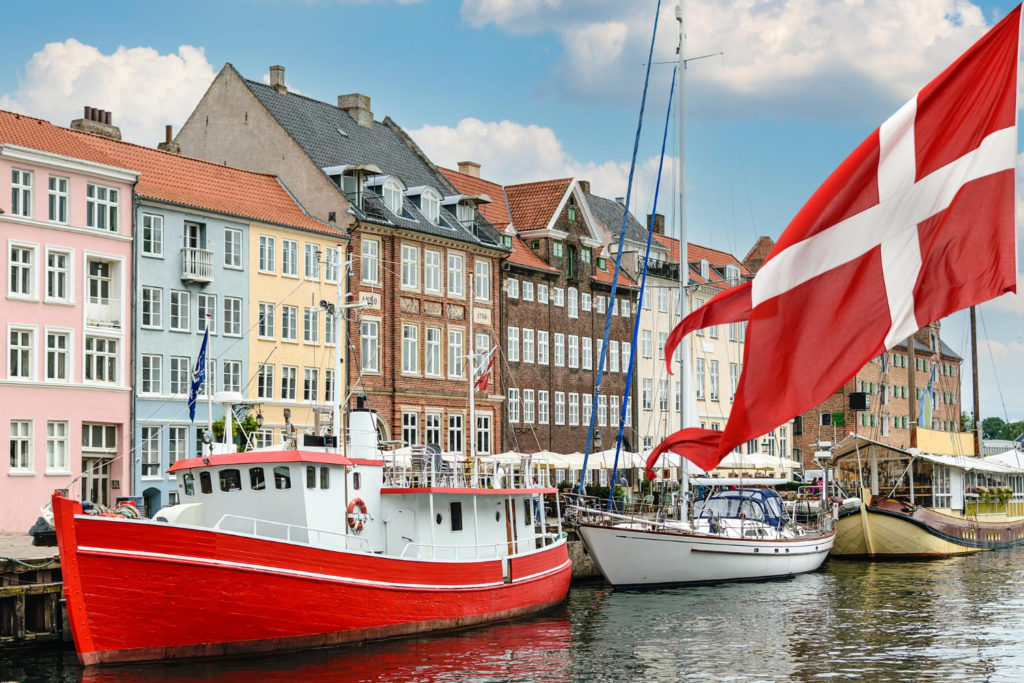
Denmark has consistently ranked among the top countries for quality of life. A stable economy, high level of public services, and balance between work and personal life make the country attractive to both tourists and people planning to emigrate. On the other hand, it is often said that the cost of living in Denmark is among the highest in Europe. What does daily life actually look like, and what should you realistically budget for?
Job offers in Denmark on europa.jobs
Cost of Living in Denmark – An Overview of Daily Expenses
At first glance, Denmark seems expensive, but high prices go hand in hand with high wages. The main cost of living in Denmark includes housing, food, transport, and taxes, which are among the highest in Europe. At the same time, the country offers a very comprehensive social system, free healthcare, and education. For many residents, this means a greater sense of financial security, despite the high prices.
Housing in Denmark – Rental and Purchase Costs
Housing costs account for the largest portion of monthly expenses in Denmark. Renting a studio in a larger city is a significant expense, and prices rise the closer you are to the city center. Housing prices vary significantly by region – smaller towns are much cheaper than the capital. A popular solution is renting a room or shared apartment, which can significantly reduce costs and get closer to the idea of affordable living in Denmark, at least initially.
Rental prices in Denmark start at around 3,500 DKK per month in smaller towns. On the outskirts of Copenhagen, rents usually start at 5,500 DKK, while a two-room apartment typically costs 7,000–9,000 DKK per month.
In central Copenhagen, rental costs are the highest and can exceed 16,000 DKK per month. Basic expenses also include a security deposit, which usually equals three months’ rent.
Buying property in Denmark is a significant financial burden, as the average price per square meter reaches around €4,000, and in the most desirable locations, such as Copenhagen, prices are significantly higher.
Cost of Living in Copenhagen vs the Rest of the Country
There is no denying that the cost of living in Copenhagen is the highest in Denmark. The capital offers the most jobs, entertainment, and amenities, but this comes with a very expensive housing market, as mentioned earlier.
Total monthly living expenses for one person, including rent, usually range from 12,600–23,000 DKK, while in smaller towns, a similar lifestyle requires a significantly smaller budget.
Monthly utility costs for an apartment of 50–70 m² usually range from 1,200–1,900 DKK, while broadband internet fees generally range from 250–399 DKK.
Food in Denmark – Prices in Stores and Restaurants
Food prices in Denmark are higher than in most Central European countries. Grocery shopping can be surprising, especially for meat, dairy, and imported products. Food costs can be reduced by choosing cheaper supermarket chains, using promotions, and planning meals.
Approximate prices for basic groceries in Danish stores are as follows: a loaf of bread usually costs 18–30 DKK, a liter of milk 9–12 DKK, and a carton of eggs (10–12 pieces) around 23 DKK. One kilogram of chicken breast costs about 62–65 DKK, sliced cheese about 20 DKK, and a 1.5-liter bottle of water around 10 DKK.
Monthly groceries for one person cost 2,200–3,200 DKK.
Restaurants are expensive, so Danes often eat at home or bring meals to work, which is culturally normal.
A restaurant meal usually costs 150–300 DKK, while quick street food, such as local hot dogs or traditional sandwiches, is a much more budget-friendly option.
Transport in Denmark – Costs and Convenience
Transport costs in Denmark can be high, especially for car ownership. Taxes and registration fees make owning a car a luxury. In return, the country offers a well-developed public transport system. Public transport costs in Denmark include buses, metro, and trains, with ticket prices depending on the number of zones. An alternative is cycling – inexpensive to maintain and extremely popular, especially in cities.
A single journey costs around 20–27 DKK, while a ticket covering all city zones costs about 108 DKK, and a full-day ticket exceeds 130 DKK.
People who regularly use public transport usually opt for a monthly pass, which generally costs 500–750 DKK.
Current fuel prices in Denmark are as follows: gasoline 95 (E5/E10) costs 14.39 DKK per liter, and diesel (Diesel B7) 13.86 DKK per liter.
Life in Denmark for Foreigners – Realities and Adaptation
Life in Denmark for foreigners can be easier than it seems. Most Danes speak fluent English, and the administration is friendly and digitalized. Initially, the biggest challenges are formalities and high starting costs. Over time, however, stable salaries and clear work rules allow for a calm lifestyle and future planning.
Is Affordable Living Possible in Denmark?
Although it may seem paradoxical, affordable living in Denmark is possible with the right approach. Sharing an apartment, using a bicycle, cooking at home, and living outside the largest cities significantly reduce expenses. The Danish lifestyle promotes simplicity, moderate consumption, and a focus on quality over quantity – which helps better manage the budget in the long term.
In summary, Denmark is an expensive country but offers high quality of life, stability, and predictability. For many, the balance between expenses and everyday comfort is positive, especially if one adapts their lifestyle to local realities.
All interested individuals can explore job offers in Denmark available on europa.jobs,