

In 2026, it is essential for companies to stress-test their hiring workflow to see if it can withstand recruitment inconsistencies and unusual pressure. Sudden growth, unexpected resignations, seasonal peaks, and skills shortages can expose weaknesses in usually effective hiring workflows.
Stress-testing enables companies to ‘trial run’ their hiring workflow and identify any weaknesses, bottlenecks, or inefficiencies. This enables them to act before hiring workflow affects the candidate experience, the ability to fill roles, or compliance.
This article explores the hiring workflow and three effective ways to stress-test it.
What Is a Hiring Workflow?
A hiring workflow is the end-to-end process a company or its human resources (HR) department follows to attract, assess, and hire candidates.
The workflow starts when a department identifies a position to fill and ends when the candidate is in the onboarding stage, covering everything in between, including advertising, screening, interviews, decision-making, and job offers.
An effective hiring workflow ensures everyone knows which stages they are responsible for, all recruitment decisions are consistent and fair, and compliance with internal policies and employment regulations is maintained. This ensures every candidate has a positive experience with your company.
When hiring workflows haven’t been stress-tested, they are more likely to become slow and inconsistent during periods of high recruitment demand.
3 Steps To Stress-Test Your Hiring Workflow
1. Simulate hiring scenarios
The best way to stress-test your hiring workflow is to simulate scenarios that would likely cause pressure, such as multiple vacancies opening at once due to company growth, urgent replacement hires due to high turnover, or a sudden increase in applications.
HR teams should map how long each stage of the hiring workflow typically takes, then assess where inefficiencies or pressure points would appear if recruitment demand increased.
Simulating these high-pressure scenarios highlights whether your hiring workflow is easily scalable or only effective when recruitment demand is low.
2. Identify bottlenecks
Once you have simulated high-pressure hiring scenarios, you will likely have identified the bottlenecks in your workflow. Here are some common inefficiencies and pressure points:
- Approval delays: Waiting for managers to approve job advertisements, budgets, or candidate offers can stall the process. It’s essential to have documents prepared and approved in advance.
- Interview scheduling: It can be difficult to coordinate interviews when multiple managers need to attend at once, or multiple candidates need to be interviewed on the same day.
- Manual screening processes: It can be time-consuming to review resumes, applications, or assessments. HR teams should utilise artificial intelligence (AI) and automation to speed up manual screening.
- Overreliance on a single hiring manager: If just one person is responsible for a stage of the hiring workflow and they become unavailable, the workflow can grind to a halt. Reducing dependency on individuals makes hiring more consistent and resilient.
Identifying bottlenecks allows HR teams to strengthen hiring workflows by documenting processes, splitting the workload, giving everyone involved access to applicant tracking systems, and introducing automation where appropriate.
3. Review the candidate experience
A hiring workflow that works internally but frustrates candidates will struggle in competitive job markets. After identifying internal bottlenecks, you should review the candidate experience, as it improves your brand reputation, attracts top talent, increases your return on investment (ROI), and more.
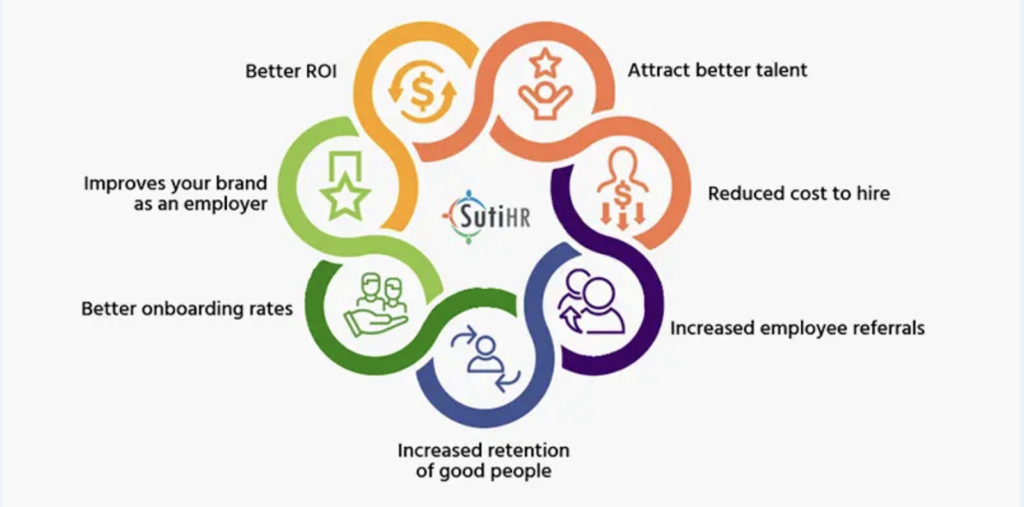
Image Source: SutiSoft
HR teams can use feedback surveys or drop-off data to identify where candidates disengage. It might be due to:
- Long wait times between hiring stages: For example, completing an online interview and not hearing about an in-person interview until three weeks later.
- Poor communication: For example, managers invite candidates to an interview but are unclear about the process or the time and date.
- Complex stages: For example, interviews with many stages or overly complicated offer letters.
- Unclear job applications: For example, the job advertisement reads differently from what the interviewer describes as the role.
Ready To Stress-Test Your Hiring Workflow?
Stress-testing your hiring workflow isn’t about finding fault; it’s about future-proofing it to ensure you are ready for demand and every candidate has a positive experience.
By simulating high-pressure scenarios, identifying points of failure, and reviewing and adapting the candidate experience, HR teams can build hiring workflows that remain effective through change. This will improve recruitment efficiency, protecting your company’s reputation in a competitive talent market.


