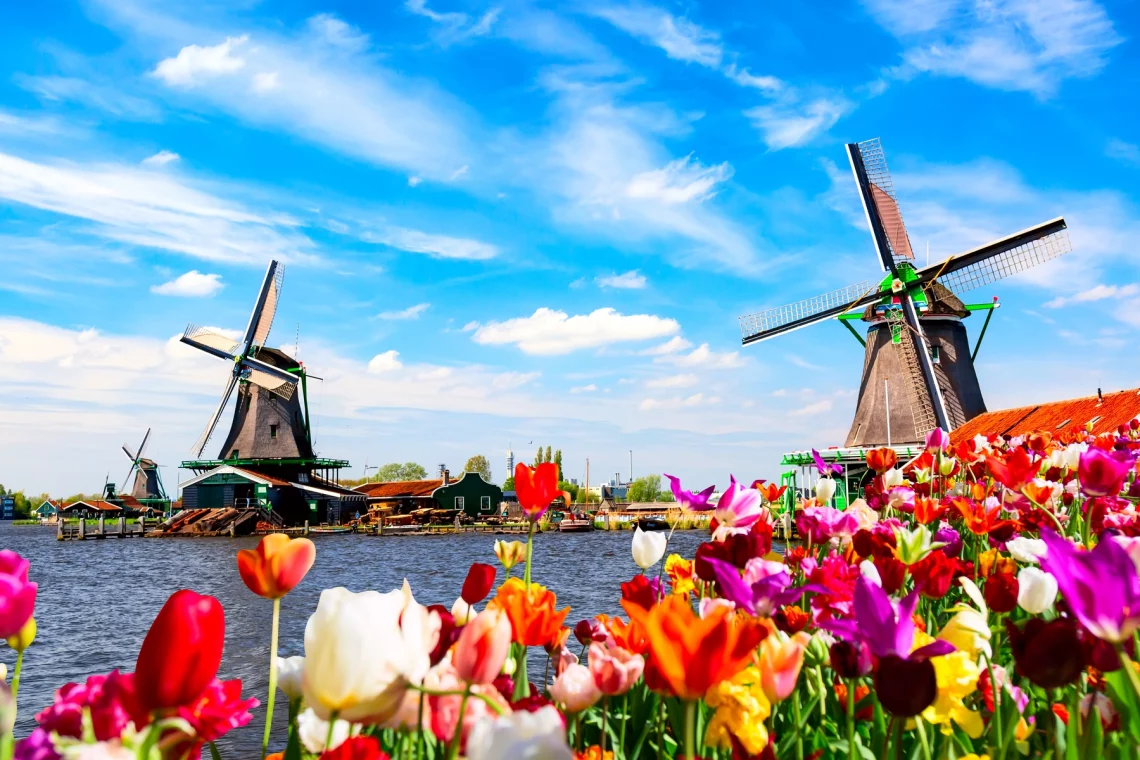
The Netherlands remains a top choice for international job seekers in 2026. Famous for its progressive culture, robust economy, and exceptional work-life balance, the country offers outstanding opportunities across various sectors. Whether you seek seasonal roles in agriculture or stable positions in logistics, the Dutch job market is highly welcoming. However, moving abroad requires thorough preparation to find safe employment. By using trustworthy platforms like europa.jobs, you can navigate this transition smoothly and secure verified jobs. In this comprehensive guide, we break down expected earnings, the cost of living, administrative steps, and the pros and cons of relocating.
1. Earnings in the Netherlands (2026 Update): Minimum Wage and Key Sector Salaries
Understanding the Dutch salary structure is crucial before moving. In 2026, the statutory minimum hourly wage for adults (21+) is approximately €14.50 to €15.20 gross. For a standard 40-hour workweek, this translates to roughly €2,400 to €2,550 gross per month, providing a reliable baseline for entry-level positions. Employers also pay an 8% holiday allowance (vakantiegeld) annually, usually in May.
Most sectors in the Netherlands are governed by collective labor agreements, known as CAO (Collectieve Arbeidsovereenkomst). These agreements regulate minimum pay rates, overtime, and annual leave within specific industries. For instance, a logistics job found through europa.jobs will likely adhere to a structured CAO, guaranteeing fair pay scales and standard working hours.
Here is what you can expect in key sectors:
- Logistics and Warehousing: €2,300 to €2,800 per month. Shift allowances for night or weekend hours can increase this. On europa.jobs, you can easily filter for positions that offer these lucrative overtime opportunities.
- Agriculture: €2,250 to €2,600 per month, offering high overtime potential during harvest peaks.
- Technical Trades: €2,800 to €4,000 per month for skilled professionals like welders and CNC operators.
- IT and Engineering: €4,500 to €7,000+ per month. Highly skilled migrants may qualify for the 30% tax-free ruling.
2. How to Find a Job Safely: A Step-by-Step Guide Using europa.jobs
To protect yourself from employment scams, always rely on reputable, audited platforms. The international job board europa.jobs specializes in European mobility, connecting job seekers directly with verified employers.
Follow this step-by-step process to secure your job safely in 2026:
- Create a Profile: Register on europa.jobs and upload an updated CV in English.
- Filter Your Search: Use advanced filters on europa.jobs to sort listings by industry, region, and perks like agency accommodation.
- Analyze the Job Offer: Every verified listing on europa.jobs outlines gross-to-net salary details and transport options.
- Secure a Written Agreement: Always obtain a written contract before traveling. Verified agencies on europa.jobs adhere strictly to Dutch labor laws.
3. Cost of Living in the Netherlands: Housing, Food, and Transportation
While Dutch salaries are highly attractive, budgeting for local expenses is essential due to the ongoing housing shortage.
- Housing: Renting a private studio costs €1,200 to €1,800 per month. Fortunately, many international agencies featured on europa.jobs offer affordable, pre-arranged worker housing, simplifying your arrival.
- Groceries: Expect to spend €250 to €350 monthly per person. Shopping at budget supermarkets like Lidl or Aldi helps manage food bills.
- Transportation: Public transport is highly reliable but costly. Buying a second-hand bicycle is the most practical way to eliminate daily commuting costs entirely.
Additionally, remember to budget for utilities and local municipal taxes. Gas, electricity, and water usually range from €150 to €250 monthly. Many municipalities also levy annual taxes for waste disposal and water management. Thankfully, when booking agency housing through europa.jobs, these utility fees are frequently bundled directly into your rent, making your budget far easier to manage.

4. Essential Bureaucracy: Getting Your BSN, Health Insurance, and Bank Account
To work legally and receive wages on time, you must complete essential administrative steps upon arrival:
First, obtain a Burgerservicenummer (BSN) by registering at the local municipality. Second, taking out Dutch basic health insurance is mandatory, costing around €140 to €160 monthly; low-income workers can apply for a government subsidy (zorgtoeslag) to cover most of this cost. Finally, open a local bank account. While many agencies on europa.jobs assist with this, having an active IBAN ensures your weekly or monthly salaries are deposited safely and on time.
After obtaining your BSN, you must also apply for a DigiD (Digital Identity). This secure digital login is essential for managing your administrative affairs online. With a DigiD, you can easily file tax returns, modify your health insurance, and apply for government subsidies. Your activation code will be sent by mail to your registered Dutch address.
5. Pros and Cons of Living and Working in the Netherlands
Evaluating the advantages and drawbacks will help align your expectations:
Pros:
- Exceptional Quality of Life: Safe cities and highly organized public infrastructure.
- English Proficiency: Over 90% of locals speak fluent English, making integration simple.
- Work Culture: Employers respect flat hierarchies and strict personal, non-working hours.
Cons:
- The Housing Crisis: Independent rental properties are extremely scarce. Using europa.jobs to find roles with accommodation is highly recommended.
- Weather: Expect frequent rain, wind, and gray skies.
- High Taxes: Progressive taxes mean higher earners pay up to 49.5% income tax.
Conclusion: Why Relocating via europa.jobs in 2026 Makes Sense
Relocating to the Netherlands in 2026 offers an exceptional blend of career growth, safety, and a high quality of life. While the competitive housing market poses a challenge, the excellent earning potential makes it highly worthwhile. By planning your journey with verified platforms like europa.jobs, you can bypass scam risks, secure accommodation, and start your Dutch career with confidence. Start exploring verified opportunities on europa.jobs today!
Related Articles
- How to Find Your First Job in the Netherlands Without Work Experience
- How Much Do Hospitality Workers Earn in Europe – Waiters, Receptionists, Housekeepers
FAQ
Is life in the Netherlands more expensive than in Poland?
Yes, especially when it comes to rent, transport and services. At the same time, wages are significantly higher, which is why many people are still able to save quite a lot.
Is it difficult to find accommodation in the Netherlands?
Yes. The housing crisis means that finding a room or apartment in large cities can be difficult and very expensive.
Can you live in the Netherlands without a car?
Yes. Most residents use bicycles and public transport, both of which are very well developed.
Is moving to the Netherlands still worth it?
For many people, yes — especially with stable employment and reasonable control over expenses. The biggest challenge today remains the cost of accommodation.