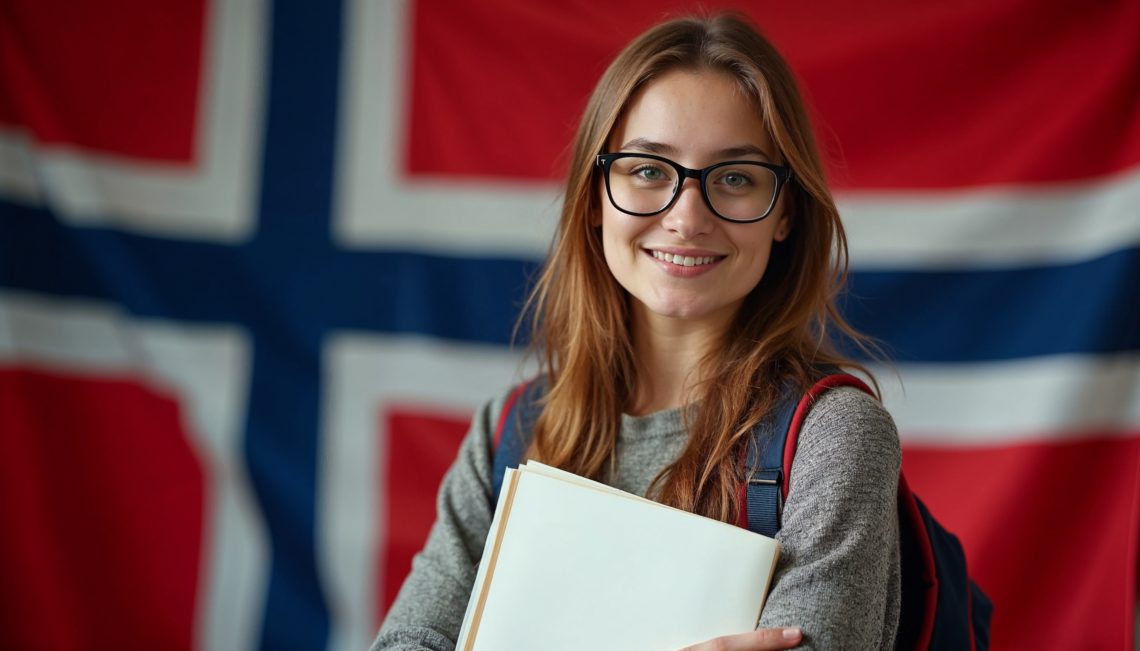
Norway is a country known for its high standard of living, concern for citizens’ well-being, and modern social solutions. One of the key pillars of Norwegian society is education in Norway, which is considered one of the most efficient and student-friendly systems in Europe. But what exactly makes it so unique?
Check the latest job offers in Norway
The Education System in Norway – Structure and Approach
The Norwegian education system is based on the principles of equality, accessibility, and support for individual development. Education is free and compulsory from the age of 6 to 16, which means every child attends primary school (barneskole) and lower secondary school (ungdomsskole).
Main stages of education in Norway:
- Barneskole (grades 1–7) – primary school
- Ungdomsskole (grades 8–10) – lower secondary school
- Videregående skole – upper secondary school (equivalent to high school or vocational school)
Higher education (university studies) is also free at most public institutions, and students can apply for financial support from Lånekassen (the Norwegian State Educational Loan Fund).
Education in Norway – Less Pressure, More Trust
Norwegians believe that education should not be based on stress or performance pressure. During the first three years of schooling, students do not receive numerical grades – instead, teachers focus on skill development, cooperation, and communication.
Key elements include:
- Emphasis on practical skills and teamwork
- Great autonomy for teachers in lesson planning
- Open and partnership-based relationships between students and teachers
- Promotion of equal opportunities and individualized teaching
This model allows children to grow in a friendly and safe environment, free from excessive pressure related to tests or rankings.
School in Norway Through the Eyes of Students and Parents
Daily life at school in Norway looks completely different than in most European countries. Students have fewer classes, more freedom, and the time spent at school is perceived as pleasant and enriching.
Distinctive features of Norwegian schools:
- No mandatory uniforms
- Outdoor lessons (so-called “uteundervisning”)
- Presence of specialists supporting child development – counselors, psychologists
- Access to warm meals and free educational materials
- Strong cooperation between school and parents
Parents are actively involved in school life, and communication with teachers is based on mutual respect and collaboration.
Education in Practice – The Norwegian Way
Education in Norway is an example of a modern, balanced, and humanistic approach to learning. Norwegians focus on trust, emotional development, and social skills, which results in a high level of satisfaction among both students and parents.
Although the system is not without its challenges (e.g., a shortage of teachers in small municipalities or integration issues among immigrant children), it is often cited as a model worth following.
Are you planning to move to Norway and want to bring your family along? Or are you just beginning to consider working abroad and dream of your children studying in one of the best education systems in Europe?
Check the latest job offers on europa.jobs and take your first step toward a better future.