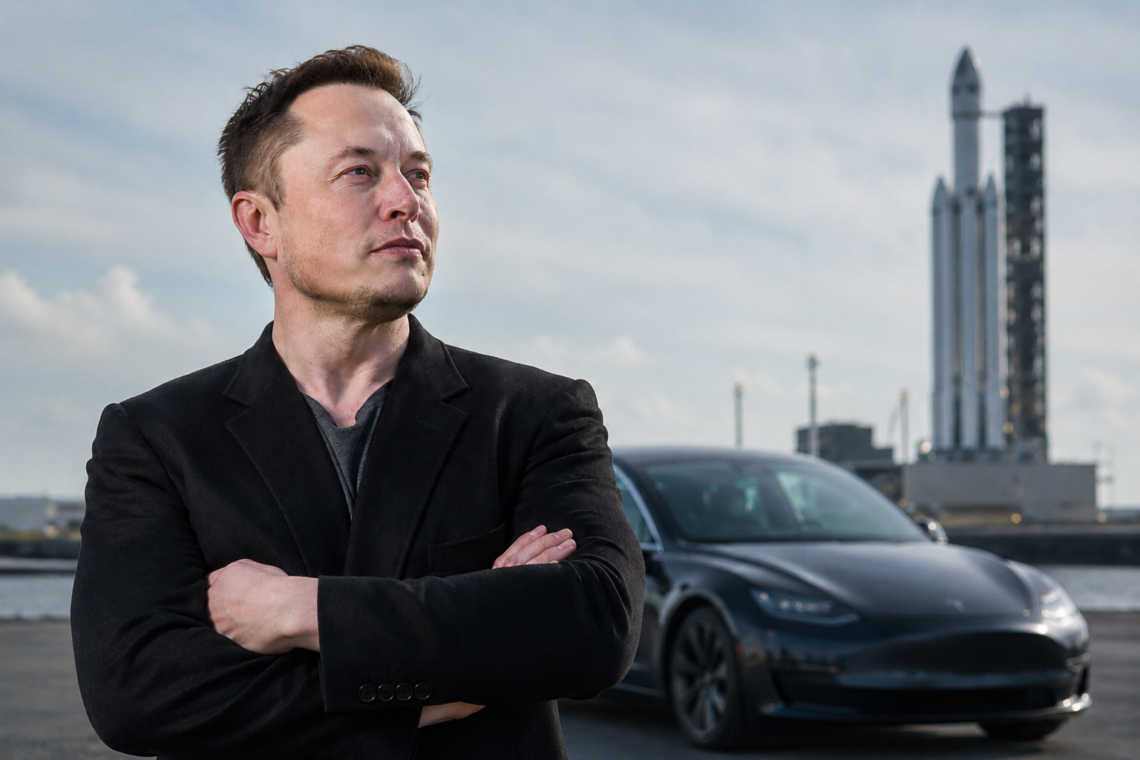
Few contemporary figures polarize public opinion as sharply as Elon Musk. To his supporters, he is a generational genius—a real-life Tony Stark pushing humanity toward a multi-planetary future and sustainable energy. To his critics, he represents the logical extreme of toxic hustle culture, demanding unreasonable sacrifices from himself and his employees. At the heart of this divide is his legendary work ethic. But where does the myth end and the reality begin?
By conducting a rigorous, factual analysis of his daily routines, operational strategies, and the structural toll of his management style, we can unpack whether this billionaire tech mogul is a template for modern success or a cautionary tale.
Quantifying the Hustle: A Statistical Look at Musk’s 80-to-120-Hour Work Weeks
To understand the sheer scale of his dedication, one must look at the numbers. Elon Musk has frequently asserted that he works between 80 to 120 hours per week, particularly during periods of operational crisis. To put these figures into perspective, a standard American work week is 40 hours. This means his schedule regularly doubles or triples that of an average worker.
- 80 Hours: Equivalent to working 11.4 hours a day, seven days a week.
- 120 Hours: Translates to over 17 hours of labor per day, leaving less than 7 hours for sleeping, eating, and commuting.
While many business experts question the efficacy of such schedules, Musk insists that these grueling hours are necessary to achieve breakthrough innovations. During the “production hell” phase of the Tesla Model 3 in 2018, he famously slept on the factory floor in Fremont, California, to troubleshoot manufacturing bottlenecks. While these extreme statistics showcase undeniable grit, research in cognitive fatigue suggests that working beyond 55 hours weekly leads to a sharp decline in productivity and decision-making quality.
The Multi-Company Framework: How Musk Divides His Time Across Tesla, SpaceX, and X
Managing a single multinational corporation is a monumental task. Simultaneously directing three major enterprises—Tesla, SpaceX, and X (formerly Twitter)—alongside smaller ventures like Neuralink and The Boring Company, requires a unique approach to time management. How does he balance it all without collapsing under the weight of his own commitments?
Musk utilizes a highly disciplined time-blocking technique to split his week. Historically, his operational framework has looked roughly like this:
- SpaceX: Tuesdays and Wednesdays are typically spent at the rocket development facilities in Boca Chica or Hawthorne.
- Tesla: Mondays and Thursdays are dedicated to automotive engineering, design, and manufacturing reviews in Austin or California.
- X (formerly Twitter): Following his acquisition of the platform, Musk shifted massive amounts of late-night and weekend hours to restructure the social media giant.
- Fridays: Split between his various ventures depending on pressing deadlines or technical challenges.
This rigid segmentation is bolstered by “micro-scheduling,” where his entire day is divided into precise five-minute slots, forcing extreme focus and minimizing administrative bloat.
First Principles Thinking: The Core Strategy Behind His Visionary Success
The driving force behind his ability to disrupt multiple industries is not just hard work; it is his cognitive framework. Elon Musk relies heavily on “First Principles” thinking—a physics-based approach to problem-solving that involves boiling a situation down to its fundamental, undeniable truths and reasoning up from there.
Instead of relying on analogy (doing things because “that’s how they’ve always been done”), Musk asks basic questions about material costs and physics. For example, when founding SpaceX, he discovered that buying finished rockets from aerospace manufacturers was prohibitively expensive. By breaking a rocket down to its raw material components—aluminum, titanium, carbon fiber, and copper—he realized the raw materials cost only about two percent of a typical rocket’s retail price. By manufacturing most parts in-house, SpaceX drastically cut costs, revolutionizing the aerospace industry.
The Human Cost: Employee Burnout, Turnover Rates, and the Dark Side of Extreme Productivity
However, the “Musk Method” is not without a dark side. The intense pressure he applies to himself is routinely transferred to his workforce, leading to high burnout and turnover rates. At Tesla and SpaceX, employees are expected to match his frantic pace, often sacrificing their personal lives to meet aggressive deadlines.
Reports from former employees highlight an environment of high-stakes pressure, where sudden layoffs and demanding expectations are the norm. Data indicates that average tenure at his companies is noticeably shorter than at traditional tech firms. While working under his leadership can be an unmatched career accelerant, it frequently results in severe physical and mental exhaustion, raising critical ethical questions about the sustainability of his corporate cultures.

Conclusion: Is Elon Musk a Viable Role Model for the Modern Professional?
In analyzing his career, it becomes clear that Elon Musk is a complex, double-edged sword. As a visionary, his commitment to first principles and hard work has yielded unmatched breakthroughs in space travel and electric vehicles. Yet, his extreme 120-hour work weeks and high-pressure management style are virtually unsustainable for the vast majority of professionals.
Ultimately, while Elon Musk offers invaluable lessons in cognitive problem-solving, audacious goal-setting, and strategic focus, his extreme lifestyle should perhaps be viewed as an outlier rather than a standard blueprint. True modern leadership may require balancing his visionary drive with a healthier, more sustainable approach to human capital.
Other articles:
- Travel to Sweden – which ferry to choose and how much does it cost?
- How to Find and Connect with Decision Makers in 2026
FAQ
1. How many hours a week does Elon Musk work?
Elon Musk has said that he sometimes works between 80 and 120 hours per week, especially during periods of crisis or major product launches. Such schedules are far longer than a standard 40-hour work week and are difficult to maintain over time.
2.How does Elon Musk manage several companies at the same time?
Musk uses strict time management and divides his attention between companies such as Tesla, SpaceX, X, Neuralink, and The Boring Company. He is known for focusing heavily on the most urgent engineering, production, and business problems.
3.What is First Principles thinking?
First Principles thinking is a problem-solving method based on breaking a problem down into its most basic facts and building a solution from them. Musk has often used this approach to question traditional industry practices and search for cheaper or more efficient alternatives.
4.Why is Elon Musk’s management style controversial?
His leadership style is associated with ambitious targets, long working hours, rapid decision-making, and strong pressure on employees. Supporters argue that this helps companies innovate quickly, while critics point to the risk of burnout, high stress, and poor work-life balance.