The profession of an industrial climber attracts a lot of interest, mainly due to the unusual nature of the job and its association with high earnings. Working at heights requires courage, precision, and proper preparation, but does it really translate into above-average pay? In 2026, the rope access industry is developing dynamically, and the demand for specialists remains high.
Job offers from europa.jobs
Industrial climber – what does the job involve?
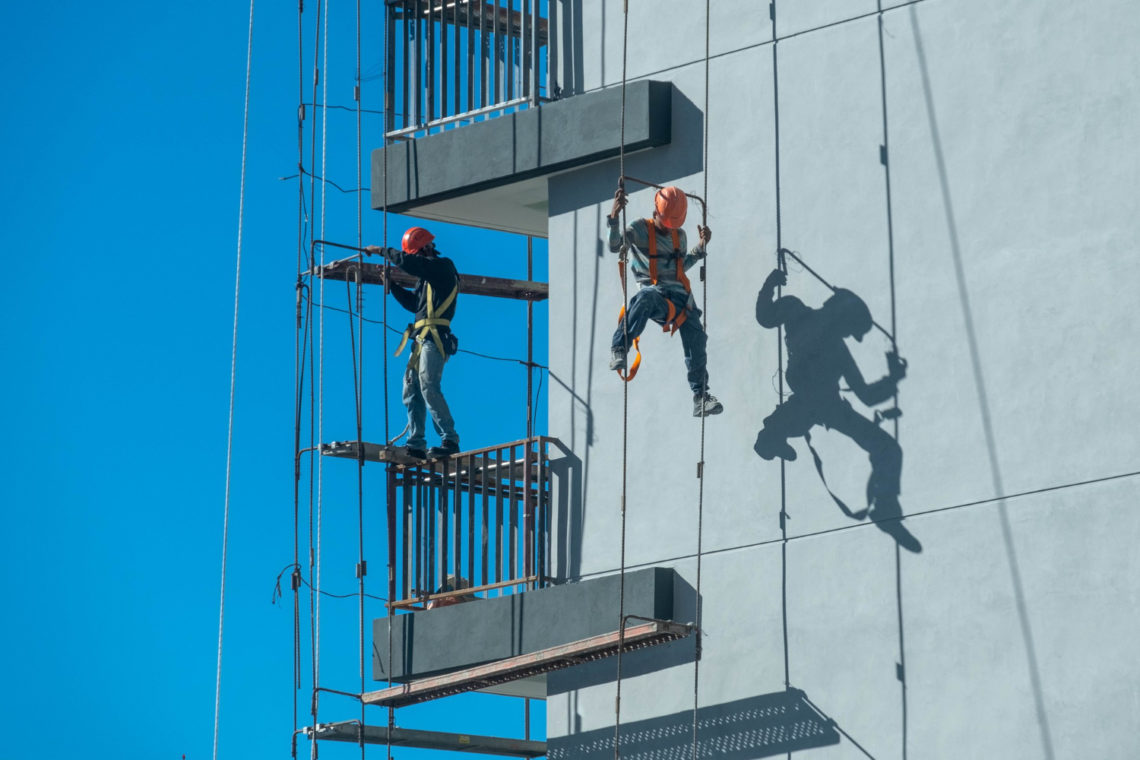
An industrial climber performs work at height using rope access techniques. Instead of scaffolding or lifts, specialized equipment is used, allowing access to hard-to-reach places.
The main tasks include:
- cleaning and maintenance of building facades
- installation and servicing of large-format advertisements
- anti-corrosion and painting work
- technical inspections of structures
- work on wind turbines and industrial installations
Such work is carried out both in cities and on industrial sites, bridges, or wind farms.
Industrial climber – earnings in 2026
Earnings are one of the key aspects for people considering this profession. In 2026, an industrial climber can expect higher pay than in many other manual jobs, although it is not always as high as commonly believed.
Average rates are as follows:
- beginners: approx. PLN 30–45 net per hour
- experienced workers: PLN 50–80 net per hour
- specialists (e.g., offshore, wind turbines): up to PLN 90–130 net per hour
Abroad, earnings are even higher. In Western European countries, rates usually amount to:
- €15–25 net/hour for less experienced workers
- €25–40 net/hour for specialists
Monthly earnings depend on the number of hours worked and the type of project.
Industrial climber – requirements
To work as an industrial climber, lack of fear of heights is not enough. Training and certifications confirming rope access skills are essential.
The main requirements include:
- completed rope access training courses
- valid medical examinations
- good physical condition
- responsibility and attention to detail
- ability to work in a team
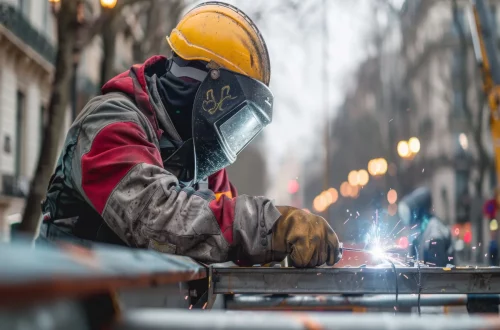
Additional advantages include technical qualifications, such as welding or construction skills, which allow for more advanced and better-paid tasks.
Industrial climber – risks and job reality
It cannot be denied that working at heights involves risk. Therefore, an industrial climber must strictly follow safety rules and use appropriate protective equipment.
The job involves:
- working in changing weather conditions
- high responsibility for safety
- physical strain on the body
- often irregular assignments
On the other hand, many people appreciate this job for its lack of monotony and the opportunity to carry out interesting projects in different locations.
Industrial climber – is it worth it?
The answer is not straightforward. An industrial climber can earn very well, especially with extensive experience and work abroad. However, high earnings come with high requirements, risks, and the need for continuous skill development.
It is a profession for people who are not afraid of challenges, can handle difficult conditions, and want to develop in a specific field. For such candidates, it can be not only a well-paid job but also a satisfying career path.
On our europa.jobs platform, you can find current job offers for all blue-collar workers in every industry—both in Poland and abroad.
Other articles:
How much does an industrial electrician earn in Scandinavia – Norway vs Sweden
What is worth seeing in Finland – the most important attractions