
Finding and keeping skilled truck drivers has never been more challenging. With a growing demand for freight transportation and a shrinking pool of qualified drivers, fleet managers must adopt innovative strategies to attract and retain top talent. This article explores key strategies that help fleet managers create a sustainable workforce and reduce turnover in an increasingly demanding industry.
Understanding the Current Trucking Industry Landscape
The trucking industry is facing a driver shortage that has far-reaching effects, including increased freight costs and delivery delays. Compounding the issue is an aging workforce and a lack of younger recruits entering the profession, intensifying competition for qualified drivers.
At the same time, rapid technological and regulatory shifts are reshaping the industry. Modern truck drivers must now be proficient in using electronic logging devices, route optimization software, and advanced safety systems. Fleet managers who understand these evolving requirements can better target drivers who are adaptable and tech-savvy. Additionally, the growth of e-commerce has significantly increased freight volumes, presenting both opportunities and challenges for companies aiming to scale their operations while maintaining service quality.
Effective Hiring Strategies for Top Truck Drivers
A successful recruitment strategy starts with clearly defining what sets your fleet apart. Crafting compelling job descriptions that highlight unique benefits, company culture, and career growth opportunities can make a significant difference. Additionally, streamlining the hiring process—such as offering mobile-friendly applications—can improve the candidate experience and attract more applicants.
Expanding recruitment efforts beyond traditional job boards is also essential. Many fleet managers find success through driver referral programs, social media campaigns, and partnerships with truck driving schools. By diversifying recruitment channels and leveraging data-driven insights, companies can identify the most effective methods for attracting high-quality drivers.
Creating a Positive Work Environment
When truck drivers feel respected and valued, they are more likely to remain with a company long-term. Open communication channels between drivers and management can help address concerns before they escalate into reasons for leaving. Encouraging driver input on policies and operational decisions also fosters a sense of ownership and commitment to the company’s success.
Work-life balance remains one of the top concerns for drivers. Fleet managers who implement predictable scheduling, home-time guarantees, and creative solutions like relay driving systems can significantly improve driver satisfaction. When trucking companies prioritize quality of life, they see measurable improvements in retention rates.
Recognition programs can further enhance driver morale. Instead of limiting appreciation to annual events, successful fleets implement ongoing recognition initiatives. Acknowledging safety achievements, outstanding customer service, and operational efficiency through newsletters, social media highlights, and awards ceremonies reinforces a culture of appreciation and strengthens driver loyalty.
Offering Competitive Compensation and Benefits
Keeping pace with industry compensation trends is crucial for attracting and retaining top talent. Regular market analysis can help fleet managers offer competitive wages based on driver experience, specialization, and regional factors. Performance-based incentives, such as bonuses for safety, fuel efficiency, and on-time delivery, not only reward excellence but also encourage drivers to maintain high standards.
Comprehensive benefits packages play a significant role in retention. Health insurance tailored to the unique needs of long-haul drivers, employer-matched retirement plans, and wellness programs designed for life on the road all demonstrate a company’s commitment to its workforce. Additionally, some leading trucking companies are implementing guaranteed minimum weekly pay to provide drivers with greater financial stability, reducing stress related to fluctuating miles-driven pay structures.
When compensation structures are transparent and reliable, drivers feel more secure in their positions and are less likely to seek opportunities elsewhere. Offering a clear path for financial growth, including opportunities for pay increases based on tenure and performance, further reinforces long-term commitment to the company.
Investing in Driver Training and Development
A well-structured onboarding process lays the foundation for strong driver retention. Fleet managers who go beyond basic compliance training and introduce new drivers to company culture, operational procedures, and available support systems see better long-term results. Pairing new recruits with experienced mentors can ease the transition and provide valuable guidance in the early stages of employment.
Continuous professional development is another critical factor in retention. Ongoing training in new technologies, safety protocols, and efficiency techniques keeps drivers engaged and ensures they remain competitive in the evolving industry. Companies that provide clear career advancement paths—whether into specialized driving roles, training positions, or fleet management—demonstrate that they value long-term employee growth rather than viewing drivers as temporary hires.
Leveraging Telematics for Retention and Operational Efficiency
One of the effective ways to enhance driver satisfaction and improve retention is through the use of telematics solutions. By providing real-time insights into fleet performance, telematics helps fleet managers make data-driven decisions that directly benefit drivers. Features such as automated scheduling, optimized routing, and predictive maintenance ensure that drivers experience fewer delays, less downtime, and more predictable work schedules—all key factors in job satisfaction.
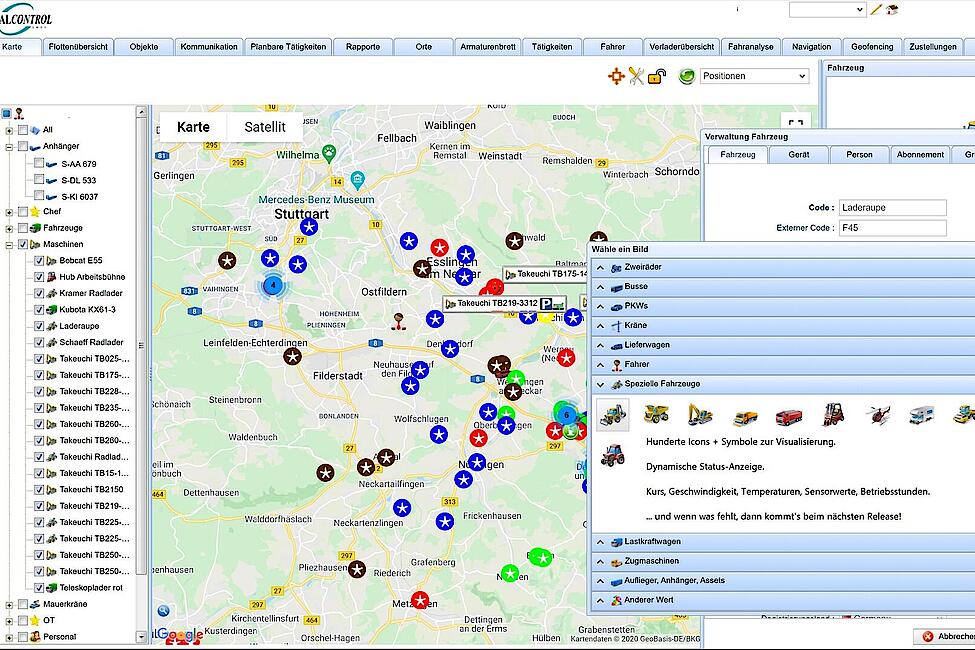
Screen from telematics software – source: www.arealcontrol.de/en/telematics/telematics-iot/car-van-bus
For fleet managers looking to reduce turnover while boosting efficiency, investing in a telematics system can be a game-changer. It enables better communication, reduces operational bottlenecks, and ultimately creates a workplace where drivers feel valued and supported. Companies that integrate telematics into their fleet management strategy position themselves as forward-thinking employers, offering drivers the tools they need to succeed while improving overall business performance.