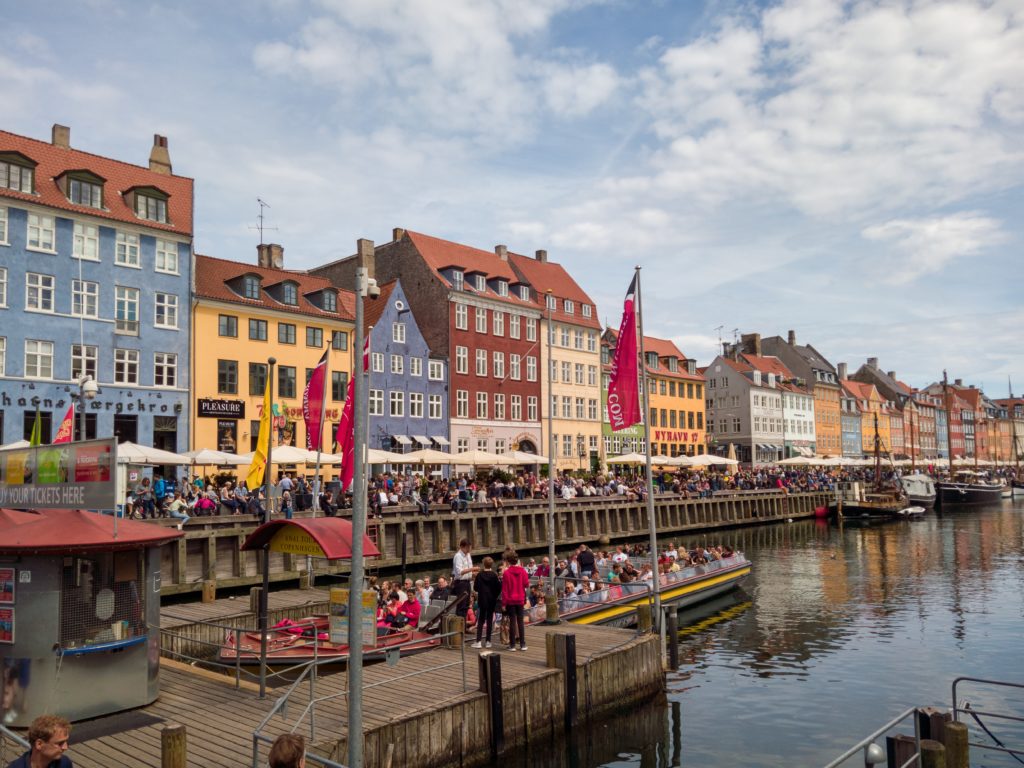
For years, Denmark has attracted both students and foreign workers by offering a high standard of living, good social care, and a friendly work environment. However, one of the biggest challenges for newcomers is finding suitable accommodation. The apartment rental process in Denmark may differ from standards known in other countries. So it’s worth preparing well in advance. In this article, we explain how to rent an apartment in Denmark, what the prices are, and what to look out for when signing a rental agreement.
Job offers in Denmark on europa.jobs
Apartment Rental in Denmark – Where and How to Look?
The rental market in Denmark is highly diverse and depends greatly on location. The highest demand – and at the same time, the most limited housing availability – occurs in major cities like Copenhagen, Aarhus, Odense, and Aalborg. Apartments can be found through popular websites (e.g., BoligPortal, Lejebolig, DBA), local Facebook groups, and bulletin boards at universities or public institutions.
In Denmark, there are two main types of rental: privat udlejning (private rental) and almene boliger (public/social housing). The latter is usually only available after signing up on a waiting list, and the wait time can take several years.
It’s also important to be cautious of scams. You should never transfer a deposit or rent without first viewing the property and signing a contract.
How Much Does It Cost to Rent an Apartment in Denmark?
One of the most frequently asked questions by people planning to move is: How much does it cost to rent an apartment in Denmark? Prices vary significantly depending on location, size, and standard of the property.
In Copenhagen, a studio apartment can cost between 7,000 and 10,000 DKK per month. A two-room apartment usually starts around 10,000 DKK and can reach up to 15,000 DKK. In smaller cities, prices are lower – for example, in Odense or Aalborg, you can rent a room for approximately 3,000–4,500 DKK per month.
Additionaly, most landlords require a deposit (typically equivalent to 1–3 months’ rent) and a prepayment of the first month’s rent. If you decide to terminate the contract, you should be aware that the standard notice period is three months.
Renting an Apartment in Denmark – Terms and Rental Agreement
The process of renting an apartment in Denmark is relatively transparent, but also highly formal. Rental agreements are usually concluded in writing and clearly define the rights and responsibilities of both parties. It is important to carefully read the contract, especially clauses concerning termination, maintenance, and additional fees (such as heating, water, and internet).
Denmark has a specific law regulating rentals called Lejeloven, which protects tenant rights. According to this law, the landlord cannot evict a tenant or raise the rent without a valid reason. Tenants also have the right to stay in the property for a longer period, provided they comply with the contract terms.
Some apartments are rented unfurnished. This means the tenant is responsible for furnishing the home themselves – including the stove, washing machine, or lighting. Others are offered fully furnished, usually for short-term leases or for students and temporary workers.
What to Watch Out for When Renting an Apartment in Denmark?
Even though renting an apartment in Denmark is well-regulated by law, it’s still important to stay cautious and verify several key aspects before signing any agreement:
- Technical condition of the property – it’s best to prepare a handover report with photos.
- Additional costs – such as utilities, garbage collection, or maintenance fees; these are not always included in the rent.
- CPR registration (personal identification number). Some apartments do not have permission for official registration, which can be problematic for administrative matters.
- Tenant insurance – it’s recommended to purchase a policy covering potential damages to the property.
Additionally, it’s strongly advised that all arrangements with the landlord are put in writing. Including agreements regarding the return of the deposit or rules for using the property.
Summary
Although renting apartments in Denmark might seem complicated at first, with the right preparation, the process is entirely manageable. The key to success is a good understanding of the market, caution, and knowing your rights and responsibilities as a tenant. Being familiar with pricing, contract rules, and housing standards in Denmark helps avoid unpleasant surprises.
If you’re wondering how to rent an apartment in Denmark and how much it costs, keep in mind that rent prices depend primarily on location and standard. The more you understand the local conditions, the easier it will be to find housing that suits your needs – without unnecessary stress or overspending.
Thinking about going to work in Denmark?
Check job offers at europa.jobs