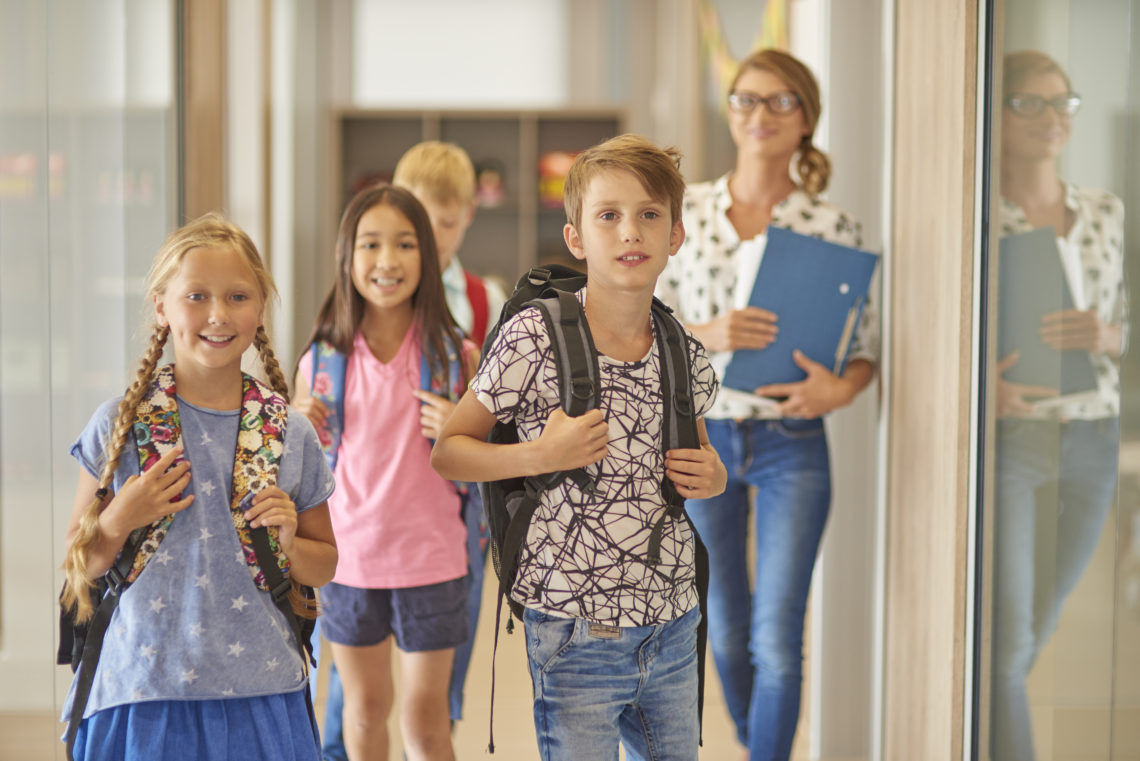
Sweden is a country long regarded as one of the leaders in modern education. Education in Sweden is built on values such as equality, an individualized approach to the student, and support for cultural diversity. Public schools are free and accessible to all children regardless of background, and teachers are held in high social esteem.
But what truly sets the Swedish education system apart? What does daily life at school look like, what are students’ responsibilities, and how does Sweden support immigrant children?
Job opportunities in Sweden on europa.jobs
School in Sweden – Structure and Educational Organization
Schooling in Sweden is compulsory from ages 6 to 16 and consists of three main stages:
- Förskoleklass (preparatory class, age 6) – preparation for school
- Grundskola (primary school, grades 1–9) – the main part of compulsory education
- Gymnasieskola (upper secondary school, 3 years) – akin to high school or vocational school
Instruction is conducted in Swedish, but foreign children are entitled to language support and native-language classes, which is a significant advantage of the system.
In Swedish schools, there are no mandatory uniforms, bells are not used between classes, and the school day often starts later than in most European schools. Students are treated as partners, and the relationship with teachers is based on mutual respect, not authority.
Education in Sweden – Emphasis on Independence and Equality
Education in Sweden places a strong emphasis on developing independence, critical thinking, and teamwork. From an early age, children learn how to collaborate, communicate, and make decisions. The assessment system is not based solely on tests—instead, the entire learning process, engagement, and individual student progress are taken into account.
Key features of the Swedish education system:
- No stressful early-school exams
- Freedom to choose topics and projects
- Free meals for all students
- A prominent role for school counselors and psychologists
- Equal treatment for all children, regardless of social status or background
Because of this, students feel safe, are more motivated, and better prepared for adult life.
School in Sweden for Immigrants – Integration and Support
Children from abroad entering school in Sweden (i.e., public Swedish schools offering support for immigrants) can count on adaptation assistance. Many municipalities offer so-called preparatory classes or language support (modersmålsundervisning – classes in their mother tongue), helping students transition smoothly into the regular educational routine.
In addition:
- Students have the right to an interpreter at the beginning of their education
- Parents can attend school meetings with interpreter support
- Children learn Swedish in a practical way, without the pressure of immediate assessment
This form of integration enables children to acclimate quickly to their new environment and continue their development unhindered.
Education in Sweden Through the Eyes of Parents and Children
Education in Sweden is a system built on trust, development, and partnership between the school, the student, and the family. Many parents appreciate it for the calm atmosphere, lack of pressure, and the opportunity for their child’s well-rounded development.
Thanks to the welcoming approach of Scandinavian schools toward foreign children, more and more families choose Scandinavia as a place to live and work. If you dream of a fresh start in a country with high quality of life and education—that’s your moment to act. Check current job listings on europa.jobs and find a position that could be the beginning of your international adventure.