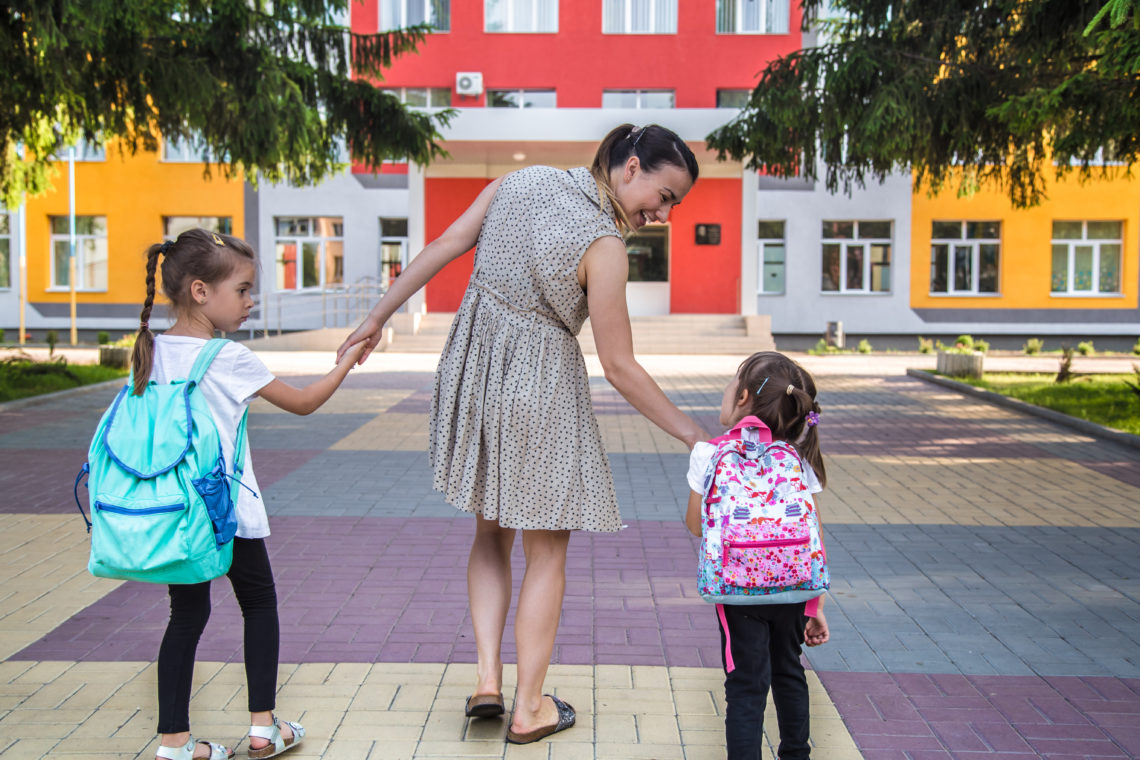
For people who have come to the Netherlands for work and plan to settle here long-term with their families, understanding how the Dutch education system works is essential. Knowing when a child starts primary school, what options are available in secondary school, and what the language requirements are helps make informed decisions for the children’s future.
How School Works in the Netherlands: Structure and Education Stages
Education in the Netherlands is divided into several stages. Early preschool, primary school (basisonderwijs), secondary school (voortgezet onderwijs), and higher education. Compulsory education (leerplicht) officially starts at the age of 5, although many children begin primary school at the age of 4.
Primary school lasts until about age 12 and includes eight grades (called “groepen”). After completing primary school, children move on to secondary education, which offers various pathways. Vocational preparation (VMBO), general secondary (HAVO), or academic (VWO). The path chosen determines whether the child will later attend university, a vocational school, or pursue another form of education.
As of 2025, the Dutch education system places strong emphasis on adapting to students’ abilities. Secondary schools often offer mixed classes in the early years, which allows for the assessment of aptitudes and the possibility of switching between tracks.
Additionally, the Netherlands emphasizes learning the Dutch language but also provides language support for migrant children. In some areas, students can attend special language-adaptation and educational bridging classes to help integrate more smoothly into the local system.
Education in the Netherlands – Higher Education and Costs
After completing one of the secondary school pathways (VMBO, HAVO, VWO), students can continue their education at higher education institutions. The Netherlands offers two main types: hogescholen (universities of applied sciences, higher vocational education) and universiteiten (academic universities). Bachelor’s degrees typically take three to four years, depending on the institution and field of study. Master’s programs may follow.
For EU students, tuition fees are moderate—lower than in non-EU countries, though fees can vary depending on the institution and program. In addition to tuition, students need to consider the cost of living, housing, transportation, and study materials. Which in the Netherlands can be significant, especially in larger cities.
As of 2025, the trend shows that the share of young adults aged 25–34 with higher education is increasing. Individuals with secondary or higher degrees face lower unemployment risk and enjoy better earning prospects than those who leave education early.
Tips for Economic Migrants Planning Their Children’s Education in the Netherlands
- Enrollment and deadlines. Primary school – groups 1, 2, etc. – children are usually enrolled in the semester after they turn 4. It’s advisable to ask the local municipality (gemeente) where you live.
- Language. Although most classes in public schools are taught in Dutch, migrant children often receive language support (e.g., early language courses, ISK – classes for newly arrived students) to help them learn Dutch faster.
- Choosing a secondary school path. VMBO, HAVO, VWO – the choice matters. It’s worth monitoring your child’s performance and considering changing the path if the child demonstrates improved academic results.
- Cultural and language support. Supplementary schools for children of foreign origin are available, which help maintain the child’s native language and cultural identity.
- Local information. Education in the Netherlands is managed locally by municipalities and schools, so it is useful to contact local education authorities to find out which schools offer support for students who do not speak Dutch.
Education in the Netherlands – Summary
For economic migrants from the EU, education in the Netherlands offers many opportunities. The system is relatively flexible, with pathways adapted to students’ needs, and institutions that support both language and national culture. Choosing the right primary or secondary school can have a significant impact on a child’s development, adaptation, and future career prospects. With an understanding of the education system’s structure, costs, language requirements, and available options, migrants can plan more effectively and integrate more easily.
Looking for work in the Netherlands?
Check out our latest job offers!
Related articles:
Types of Employment Contracts in the Netherlands
How Much Does an Electrician Earn in Poland and the Netherlands?