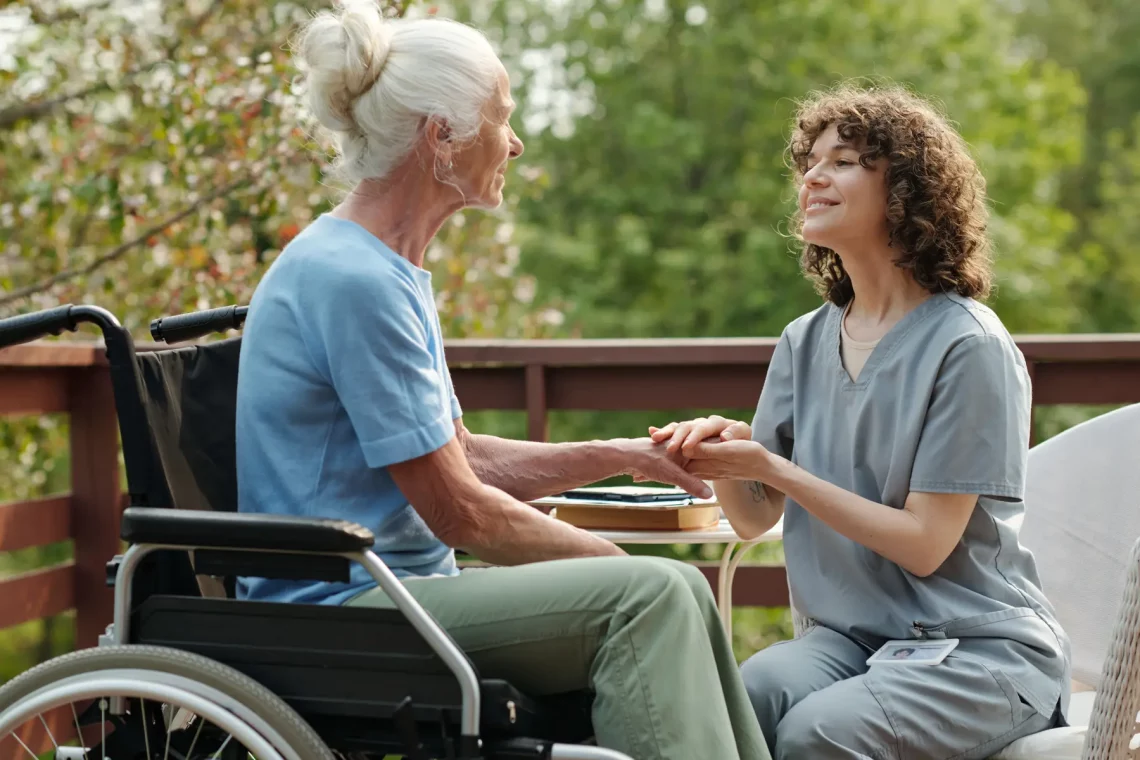
Working as a disability support worker in Germany and Poland differs not only in terms of pay, but also in accommodation, meals, job security and working hours. Choosing the right country can have a significant impact on your daily comfort, responsibilities and opportunities for professional development. Find out what employment conditions each market offers and which option may be more beneficial for you.
Supporting people with disabilities involves assisting individuals with physical, intellectual or mental health disabilities, as well as helping them with rehabilitation and social inclusion. The role therefore goes beyond personal care. In Germany, the Eingliederungshilfe system, which provides support for social inclusion, plays an important role. In Poland, key initiatives include personal assistance programmes and schemes funded by PFRON, the State Fund for the Rehabilitation of Disabled Persons.
How Much Does a Disability Support Worker Earn in Poland?
Salaries for disability support workers in Poland depend on the workplace, the scope of responsibilities, professional experience and the type of employment contract. Typical monthly salaries range from PLN 4,000 to PLN 6,000 gross. The median salary is approximately PLN 5,900 gross, while half of employees earn between around PLN 5,050 and PLN 7,820 gross per month.
The final salary also depends on whether you work in a public institution, a private care facility, a foundation or directly with a person who requires support.
Salaries in Public Institutions, Support Centres and Personal Assistance Programmes
Social care homes (domy pomocy społecznej, or DPS), support centres and other institutions employ care workers under employment contracts or other forms of agreement. Work is often organised in shifts, for example, eight or twelve hours at a time. The advantages include greater job security, regular social security contributions and paid annual leave when employed under an employment contract. Salaries depend, among other things, on the position, length of service and the employer’s pay policy.
Personal assistance for people with disabilities is another option. Through publicly funded programmes run by local authorities, you can support an individual with everyday activities, mobility, running errands and participating in social life. In some programmes, rates can reach approximately PLN 55 gross per hour, depending on the programme’s rules and the organisation delivering the service.
This option may be attractive if you value a flexible schedule and one-to-one work. However, the number of hours depends on the level of support allocated and the terms of employment. As a result, a high hourly rate does not necessarily translate into a high monthly income.
Private Care Providers and Foundations vs. Employment in a Social Care Home: Salary Differences
Private care facilities and foundations may offer higher rates, bonuses or additional benefits. However, conditions vary considerably, and employee benefits such as holiday subsidies are not always available. Before signing a contract, check not only the salary but also the number of working hours, the scope of your responsibilities and how overtime is paid.
A permanent position in a social care home may be a better choice if you value stability and predictable benefits. Private care work or personal assistance, on the other hand, can sometimes offer greater flexibility. In either case, check whether the employer provides training and prepares staff to work with people who have specific support needs.
How Much Does a Disability Support Worker Earn in Germany?
Working as a disability support worker in Germany can pay approximately €1,600–€2,300 net per month. For roles involving more demanding responsibilities, and for workers with relevant experience and good German language skills, earnings may reach €2,500 net per month. Higher salaries are possible, but they are not guaranteed.
Net salaries are the amounts you receive after the relevant deductions have been taken into account. However, your actual earnings depend on the type of contract, tax arrangements, social security contributions and employment conditions. Always check whether a job advertisement quotes gross or net pay and what deductions or arrangements are handled by the employer or agency.

Earnings in Live-in Care: What Is Included Beyond the Basic Salary?
One employment option involves living in the home of the person you support. Assignments may last between four and eight weeks, followed by a break or a handover to another worker. The person receiving support may need assistance with mobility, communication, everyday activities and following therapeutic recommendations.
Job offers of this kind often include additional benefits:
- Free accommodation – a private room in the person’s home or alternative accommodation, depending on the terms of the contract.
- Meals – food provided under arrangements agreed with the employer or the person’s family.
- Travel cost reimbursement – some agencies cover travel to the workplace and the return journey after the assignment.
- Bonuses and incentives – these may include holiday bonuses, rewards for long-term cooperation or referral bonuses for recommending another worker.
Free accommodation and meals can significantly reduce your expenses while working in Germany. By comparison, renting an apartment independently may cost approximately €500–€1,000 per month, depending on the location and standard of accommodation. This is only an indicative range, not a universal cost. Before travelling, confirm whether all the advertised benefits are genuinely free of charge.
It is also important to remember that the term “24-hour care” should not mean working continuously for 24 hours without a break. Rest periods, working hours and responsibilities should be clearly defined by the actual employment arrangements. Pay particular attention to whether the person you support requires assistance during the night.
How Does German Language Proficiency Affect Your Salary?
German language skills can directly affect your earning potential. Workers who can communicate at B1 or B2 level have more job opportunities, particularly when the person they support needs help with communication, organising daily activities or interacting with other people.
Better language skills also make it easier to understand the person’s needs, communicate information to their family and respond to situations requiring quick and clear communication. If you are planning to work in Germany, learning German can be one of the most practical investments in your professional development.
Before signing a contract, also check whether the employment is legal, what type of contract is offered and in which country social security contributions will be paid. Not every job offer provides the same pension and health insurance entitlements.
Poland or Germany: Where Can Disability Support Workers Earn More, and What Should You Consider?
In terms of potential earnings, Germany generally offers higher salaries. However, simply converting euros into Polish złoty is not enough to determine whether working abroad is financially worthwhile. You should also consider living costs, contract conditions and the amount of time you will spend away from home.
In Germany, free accommodation and meals may allow you to save a larger proportion of your income. In Poland, it is generally easier to maintain daily contact with your family, work closer to home and enjoy your free time without arranging longer trips. You also do not need to meet the language requirements associated with working abroad.
When choosing a job offer, pay particular attention to:
- Salary and living costs – compare net earnings and the expenses you will incur in each country.
- The type of disability – the person’s needs can significantly affect the difficulty of the job and the qualifications required.
- Working hours and rest periods – check the schedule, night-time duties and arrangements for staff replacements.
- Legal employment – verify the contract, social security contributions and the agency’s responsibilities.
- Professional development opportunities – additional training and language skills can improve your position in the job market.
If your priority is saving money, working in Germany may be a good option. If you value a stable daily routine and being close to your family, employment in Poland may also be beneficial. You can compare current vacancies on europa.jobs, paying attention to the scope of responsibilities and the full package of benefits offered.
Related Articles
- https://blog.europa.jobs/en/art-how-much-does-a-nurse-earn-in-the-netherlands-and-what-can-a-physiotherapist-expect-to-make-salary-report/
- https://blog.europa.jobs/en/sick-pay-in-poland-the-netherlands-and-germany-how-much-will-you-actually-receive-while-on-sick-leave/
FAQ
1. What qualifications and documents are required to work as a disability support worker in Germany?
Requirements depend on the position and the employer. Some jobs require only care experience and a conversational level of German. Others may require relevant vocational qualifications, care training, a criminal record certificate or confirmation of fitness for work. Before travelling, check the list of documents specified in the particular job offer.
2. Do disability support workers in Germany work 24 hours a day?
They should not work continuously around the clock. Live-in care means staying in the person’s home during an assignment, but rest periods and working hours must be defined by the employment conditions. Before signing a contract, establish whether your responsibilities include waking up to provide assistance during the night.
3. Does Poland’s PFRON-funded personal assistance programme offer better conditions than a permanent position in a care facility?
That depends on your priorities. Personal assistance may offer rates of up to approximately PLN 55 gross per hour and greater flexibility. A permanent position in a social care home, by contrast, can provide greater employment stability and, under an employment contract, paid annual leave and social security contributions. Check the number of available hours and the terms of the specific programme.
4. How does caring for a person with a disability differ from caring for an older person in terms of requirements and pay?
Supporting a person with a disability may involve helping with rehabilitation, communication, independence and social inclusion. Requirements depend on the type of disability and the individual’s needs. Salaries in both fields can be comparable, while specialist skills can influence the range of available jobs and the rates offered.
5. What additional benefits do agencies offer for care workers travelling to Germany?
Depending on the job offer, you may receive free accommodation, meals, travel cost reimbursement and holiday bonuses or referral incentives. Before travelling, make sure the terms are included in the contract and that the employment is legal and provides the appropriate insurance and social security contributions.