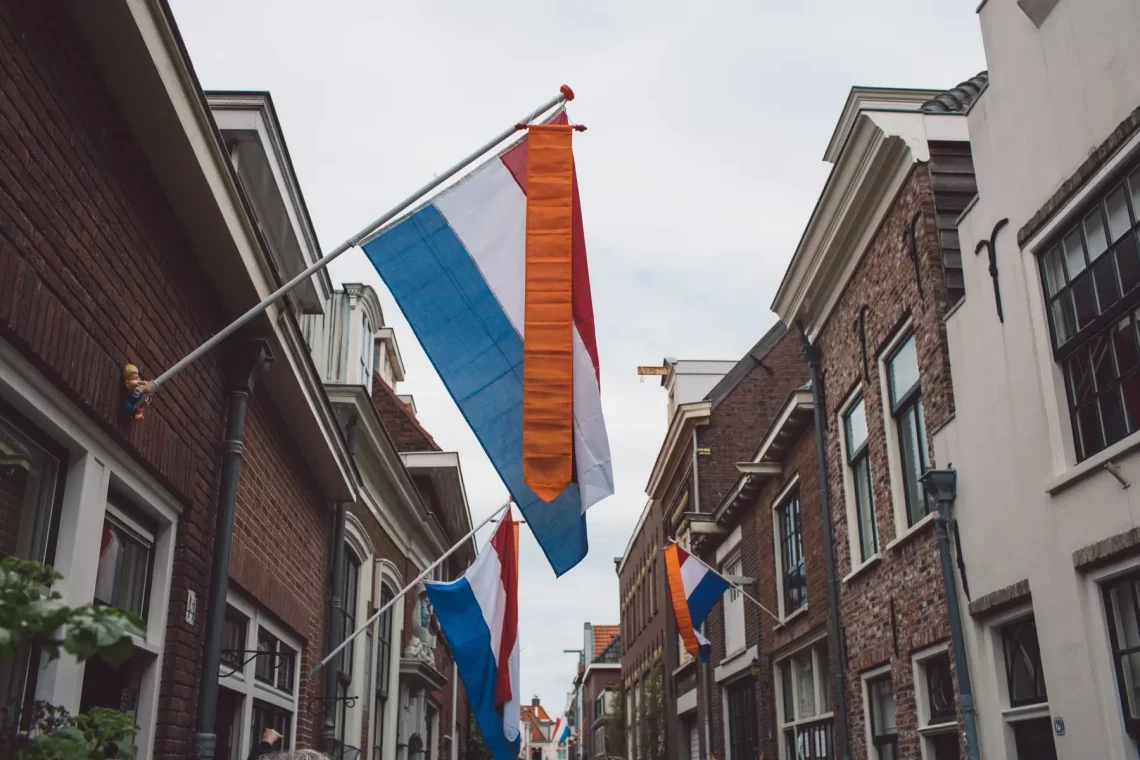
If you fall ill while working abroad, it is important to know not only how much you earn, but also what rules apply when you are temporarily unable to work. In Germany, employees generally receive 100% of their salary during the first 6 weeks of illness. In the Netherlands, sick pay amounts to at least 70% of earnings, while protection can last for up to 104 weeks. In Poland, the standard sick pay rate is 80% of the calculation base and can be paid for a maximum of 182 days.
-
-
The relationship with your immediate supervisor has a major impact on job satisfaction, stress levels and day-to-day performance. In manufacturing, warehousing and construction, the supervisor or team leader plays a key role. They assign tasks, coordinate work, monitor the quality of employees’ performance and directly assess their work. When long-term tension develops between a supervisor and an employee, everyday work can quickly become a source of chronic stress and may even lead to burnout.
-
Going abroad for work is an excellent opportunity for many people to improve their financial situation and gain valuable professional experience. The Netherlands has been one of the most popular destinations for employment within the European Union for many years. However, before making a final decision, packing your bags and signing an agreement with an employment agency, it is essential to carefully check the living conditions you will be offered.
-
A sudden accident while carrying out your professional duties abroad is an extremely stressful situation in which it is easy to make mistakes with serious consequences. The language barrier, lack of knowledge of local employment law and pressure from supervisors can mean that many workers fail to take the necessary formal steps. As a result, they may lose access to benefits they are entitled to, such as medical treatment, rehabilitation or compensation following a workplace accident.
-
The transformation of urban transport over the past two decades is an excellent example of how digitalization can completely redefine traditional professions. At the beginning of the 21st century, ordering a taxi still meant calling a dispatch center or patiently looking for an available vehicle at a designated taxi rank. The emergence of mobile apps completely changed this model. This article presents the key stages of this transformation, which fundamentally changed the taxi driver profession and created an entirely new reality for both drivers and passengers.
-
Introduction: Why Does the First Month Abroad Require a Financial Plan? Moving abroad for work is an excellent step toward financial independence and greater stability in life. When considering popular destinations for labour migration, such as working in Germany or finding stable employment in the Netherlands, the first and most important step should be carefully planning your budget for the first month of living expenses. Although salaries in euros are attractive and promise a quick improvement in living standards, the first few weeks in a new environment can be extremely stressful without adequate financial security. Using safe recruitment services, such…
-
Going abroad for work is often a fast-moving process. You speak to a recruiter, agree on a rate, receive information about accommodation and your start date, and a few days later, you are presented with an employment contract to sign. This is exactly when you should slow down and read the document carefully. Even an attractive job offer can look very different once you compare what was discussed during the recruitment process with what is actually written in the contract.
-
For many people, becoming a personal trainer starts with a passion for sport. Regular training, an interest in a healthy lifestyle and a desire to help others naturally lead to the question: why not turn it into a career? At first glance, the job may seem ideal – flexible working hours, daily contact with sport, the opportunity to meet new people and a relatively high degree of freedom in organising your work.
-
The hotel industry is developing dynamically both in Poland and Western Europe. Working as a hotel receptionist is one of the most popular career choices for people looking for stable employment, daily contact with people and opportunities for professional development. The receptionist is the first person a guest meets after entering the hotel, which makes this role extremely important in creating the first impression and shaping the hotel’s image.
-
The construction market in Central and Western Europe has undergone major changes over the past few decades. Just a few years ago, going abroad for manual work was, for many Poles, the only opportunity to earn a decent income and quickly improve their household budget. Over time, the Polish labour market has developed, and wages in the country have increased significantly, changing the prospects of many workers. Despite this, in 2026, foreign labour markets continue to attract workers with financial stability, developed social security systems and more attractive hourly rates.