
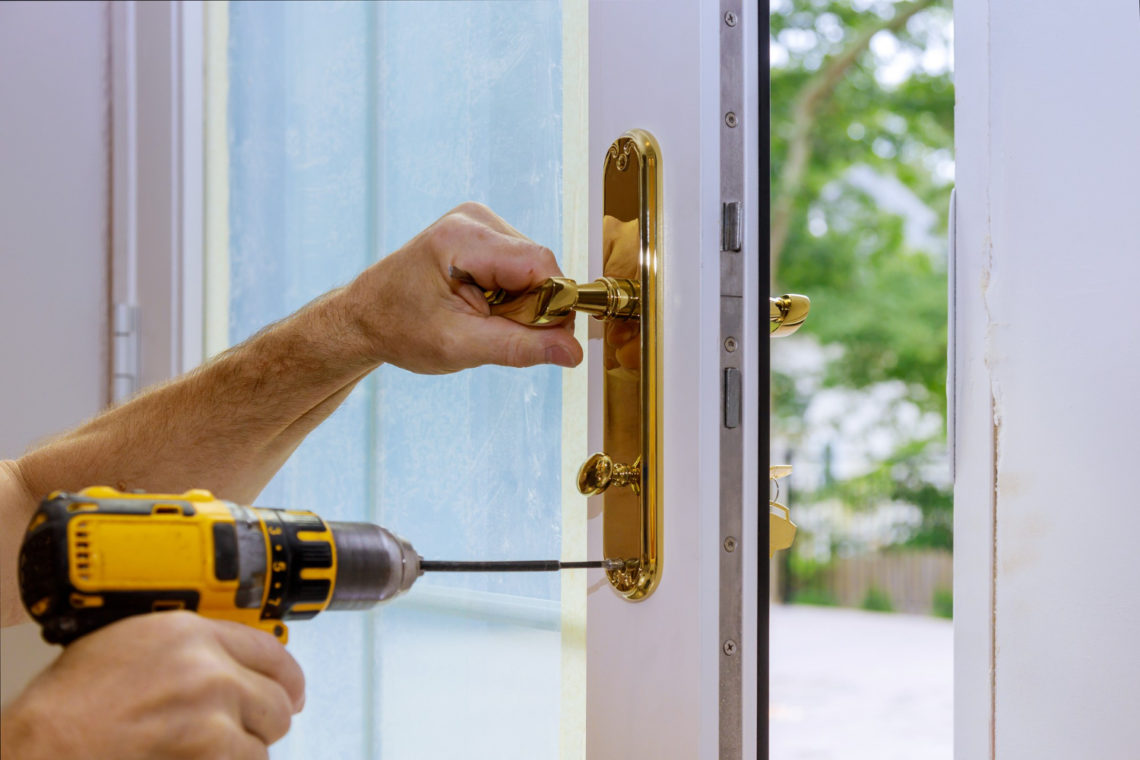
The profession of a locksmith has for years remained one of the pillars of the technical and manufacturing sectors in Europe. In 2026, the demand for qualified specialists in this field continues to grow, which directly translates into salary levels. However, wage differences between European Union countries are significant and result, among other things, from the level of economic development, cost of living, and demand for specialists.
Job offers on the europa.jobs platform
Locksmith salaries in Europe – what do they depend on?
Locksmith salaries in Europe depend on several key factors. First and foremost, professional experience, knowledge of technical drawings, the ability to work with modern machinery, and knowledge of a foreign language are important. Certifications and specializations, such as welding or CNC machining, are also significant.
The form of employment is also important – locksmiths working through agencies or on international contracts can often expect higher hourly rates than those employed locally.
Locksmith salaries – Poland, Germany, France, Italy, Spain
When comparing locksmith salaries in Europe, clear differences can be seen between Western European countries and Central and Eastern Europe.
In Poland, the average salary of a locksmith in 2026 ranges from approximately PLN 5,000 to PLN 7,500 gross per month. More experienced specialists, especially those working in advanced production, can reach PLN 8,000–9,000 gross. The hourly rate typically ranges between PLN 30–45 gross.
In Germany, the situation is much more favorable. Those wondering how much a locksmith earns in Germany can expect a salary of around €2,500–3,500 net per month. In the case of overtime or specialized projects, these rates can be even higher. The hourly rate often ranges from €16 to €25 net.
In France, a locksmith’s salary in 2026 averages between €2,200 and €3,000 net per month. In industrial regions or on more advanced projects, earnings may exceed €3,200. Hourly rates range between €15 and €22 net.
And in Italy, the salary is slightly lower than in France. The average income ranges from €1,800 to €2,600 net per month. In the northern regions, where industry is more developed, salaries are noticeably higher. The hourly rate in Italy typically ranges from €12 to €18 net.
In Spain, a locksmith’s salary ranges from €1,700 to €2,400 net per month. The level of income depends on the region and the employment sector. Hourly rates average between €11 and €16 net.
Comparison of locksmith salaries in the EU – where is it worth working?
A comparison of locksmith salaries in the EU clearly shows that higher earnings are offered, among others, in Germany and France. These are the countries most frequently chosen by specialists from Central and Eastern Europe.
Wage differences in the EU are partially balanced by the cost of living. Higher salaries in Germany or France are associated with more expensive housing, transport, and services. Nevertheless, many workers decide to migrate for work, as it still allows for real savings.
It is also worth noting that in Western countries additional benefits are more often offered, such as:
- overtime bonuses,
- daily allowances and accommodation,
- performance bonuses,
- long-term contracts.
Wage differences among locksmiths in the EU – what is worth knowing?
Wage differences among locksmiths in the EU result not only from the level of the economy, but also from the approach to vocational education and work standards. In countries such as Germany or France, a strong emphasis is placed on certification and the quality of work, which translates into higher salaries.
In Poland, the market is also developing, and salaries are gradually increasing, although they are still lower than in the West. On the other hand, the growing number of industrial investments keeps the demand for locksmiths at a high level.
In summary, locksmith salaries in Europe in 2026 vary, but clearly show a trend of increasing demand for qualified specialists. The highest salaries are offered in Germany and France, while Poland, Italy, and Spain provide lower, although increasingly competitive, wages.
Finally, it is worth adding that anyone looking for a job in Europe – including locksmiths – can find interesting and up-to-date job offers on europa.jobs.
Other articles:
- Cost of living in Sweden – housing, food and transport in the largest cities
- How much does a bus or truck driver earn in the Netherlands and Germany? Salary comparison
- Working in the Medical Sector in Europe – Salaries of Nurses, Physiotherapists, and Doctors in 2026
How much does a locksmith earn in Europe?
Locksmiths in Europe earn on average between €1,700 and €3,500 per month, depending on the country, experience, and specialization. The biggest differences result from the level of economic development and the cost of living in different countries.
In which EU countries do locksmiths earn the most?
Some of the highest salaries for locksmiths are offered in Germany and France, where monthly earnings can exceed €3,000 net. Additional benefits, such as overtime, bonuses, and support for foreign workers, also play an important role.
What are typical locksmith salaries in Germany?
The average salary of a locksmith in Germany is €2,500–3,500 net per month, with experienced specialists and those working overtime able to earn even more. The hourly rate usually ranges between €16 and €25 net.
How much does a locksmith earn in the Netherlands?
In the Netherlands, locksmiths can expect salaries ranging from €2,100 to €3,200 net per month, depending on the region and experience. Working on specialized projects or overtime can increase earnings by several hundred euros per month.
What are locksmith salaries in Belgium?
In Belgium, locksmiths earn on average between €2,000 and €3,000 net per month, and their hourly rate usually ranges from €15 to €22. Higher earnings are received by workers in industrial regions and those involved in more complex technical tasks.


