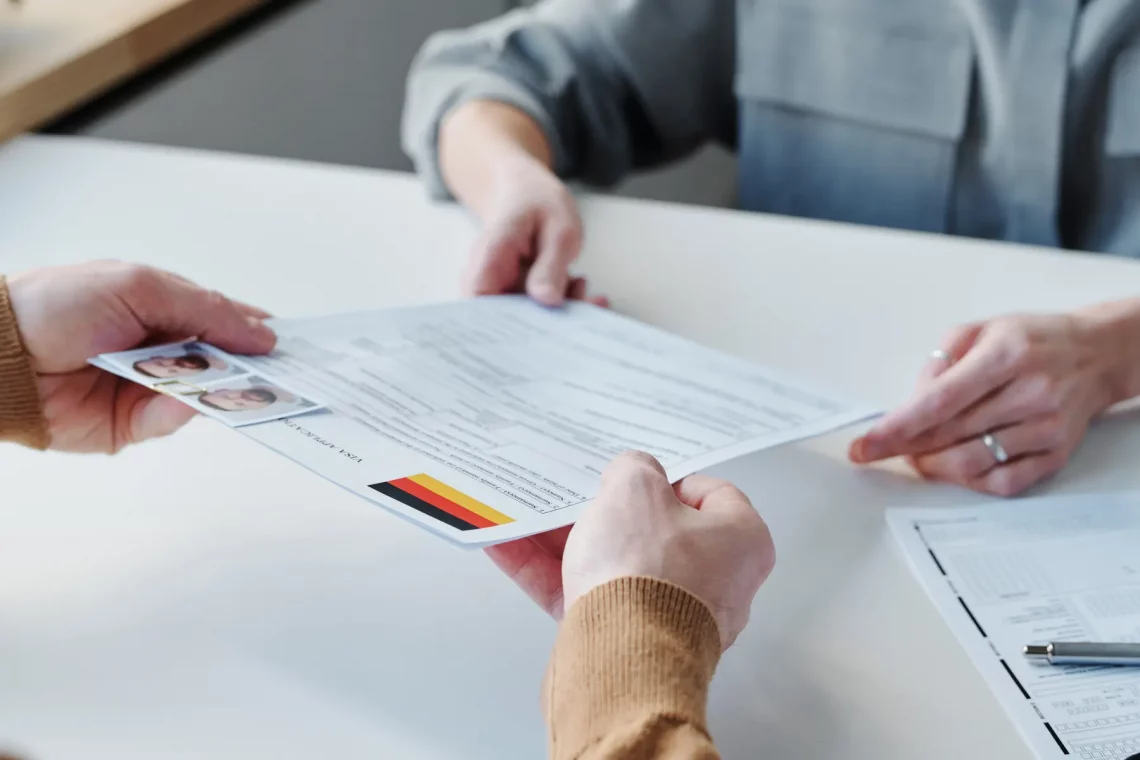
A job interview in Germany differs in several ways from what candidates may be used to in other countries. German employers place great importance on being specific, reliable and able to demonstrate relevant professional experience. Therefore, proper preparation for the recruitment process can significantly increase your chances of getting hired. It is worth knowing what to expect from a job interview in Germany, what employers look for and how to stand out from other candidates.
-
-
The horticultural sector in the Netherlands has been one of the country’s key economic pillars for decades. It is also one of the most popular destinations for people from across Europe looking for work abroad. Modern greenhouses are technologically advanced production environments where tomatoes, peppers, cucumbers, orchids, roses and potted plants are grown all year round. What continues to attract thousands of workers to this sector? Above all, predictable employment, financial stability and clear recruitment procedures.
-
In 2026, a pastry chef in the Netherlands can expect to earn around EUR 14.99–20.63 gross per hour, while in Poland, actual salaries start at approximately PLN 4,000 gross per month, with experienced pastry chefs able to earn PLN 8,000–12,000 gross or more. However, the answer to the question of where it is more profitable to work depends not only on the country, but primarily on the type of position, experience and place of employment.
-
For many skilled workers, moving abroad for work is an opportunity for professional development and a significant increase in income. The Netherlands has attracted specialists in technical professions for years, and welder jobs in the Netherlands continue to be in high demand. The Dutch economy relies on advanced shipbuilding, steel construction and the petrochemical industry, creating a steady demand for skilled workers.
-
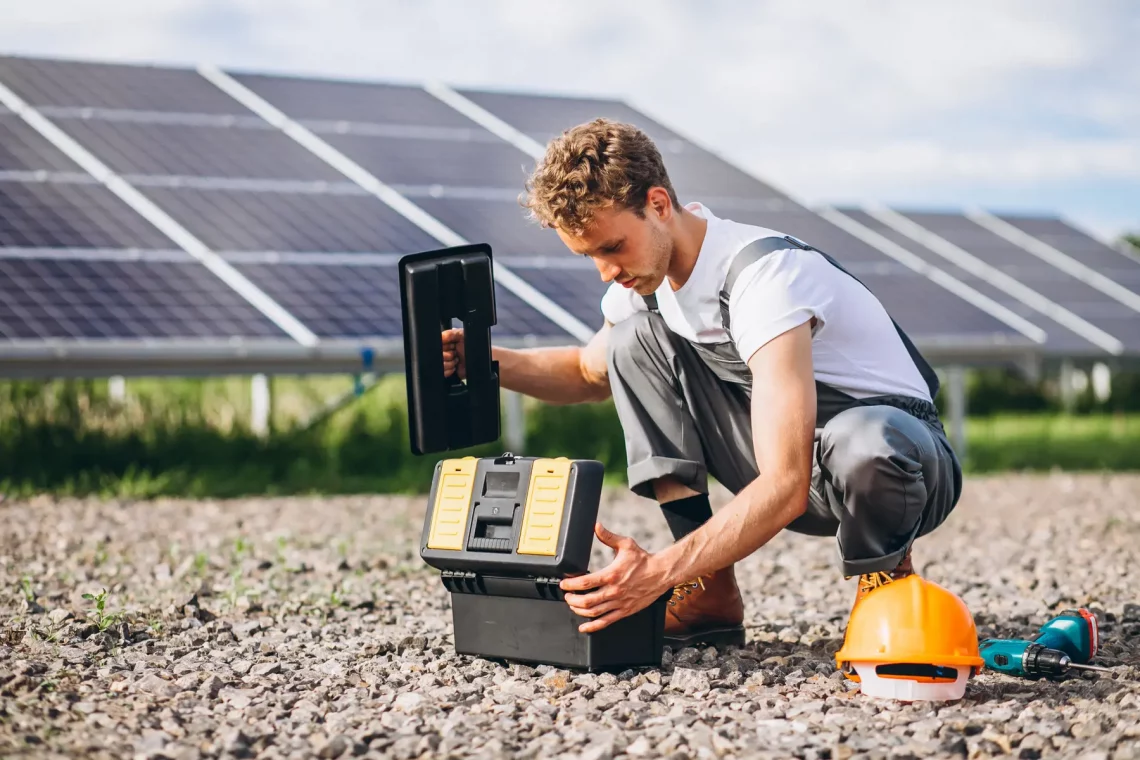
A solar PV installer in Germany can expect to earn around EUR 14.50–21 gross per hour, while in Poland, the reference salary for electrical installation workers is approximately PLN 5,600 gross per month. The difference becomes even more noticeable when daily allowances and accommodation provided by an employer or agency are added to the German base rate. However, moving to Germany does not automatically mean higher earnings in every job offer. Experience, region, language skills, type of employment and the rules for calculating additional payments all play an important role.
-
For many people, working abroad is mainly associated with summer jobs. In reality, however, the months after the summer holidays often bring a wide range of employment opportunities across Western Europe. The job market in Germany and the Netherlands becomes particularly active between September and December, driven by the retail calendar, the approaching Christmas peak and the completion of annual industrial projects. Employers in both countries are actively looking for workers, offering competitive pay rates, shift allowances and stable working conditions.
-
When employees defeat an interlock, reach around a guard or improvise access to a hazardous area, the immediate response is often retraining or discipline. Plant managers should first ask a more useful question: what feature of the work made the unsafe shortcut attractive? Persistent bypassing is usually evidence of friction between the production target, the machine, the maintenance task and the prescribed method. The durable response is to redesign those conditions without treating compliance as a paperwork exercise.
-
For many skilled workers and specialists from Poland, moving to Western European labour markets is a proven way to increase their income. A monthly net salary of €3,000 remains a desirable financial target. Rising rental costs and inflation have increased the cost of living, but working in the Netherlands and Germany can still offer realistic opportunities to achieve this level of income.
-
For many people, finding an additional source of income online is a way to make better use of their free time. One of the simplest options is taking part in paid online surveys. No specialist knowledge, advanced technical skills or financial investment is required. All you need is internet access, a smartphone or computer and some free time.
-
For years, the profession of air traffic controller has been considered one of the most fascinating and responsible jobs in the world. Every day, thousands of passenger and cargo aircraft move through Polish and European airspace, while the safety of hundreds of thousands of travellers depends directly on a small group of highly specialised professionals. The operational responsibility is enormous. In return, the aviation industry offers prestige, exceptional job stability and above-average financial benefits.