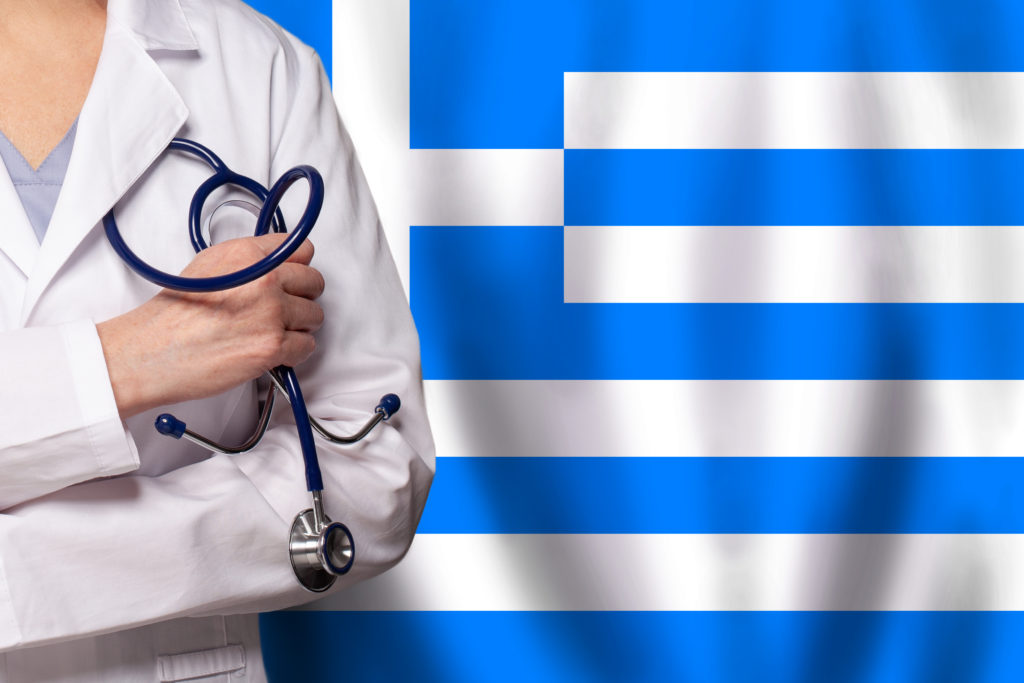
Greek healthcare can surprise you both positively and negatively – it all depends on where you are and what kind of care you’re seeking. Both tourists and those planning a longer stay in Greece should know what to expect. How does the healthcare system in Greece work? Does the public system meet patients’ expectations? Or is it better to use private facilities? Let’s find out!
Job offers in Greece at europa.jobs
How does the healthcare system in Greece work?
Healthcare in Greece is based on a mixed model – both public and private institutions operate in the country. The public system is managed by the National Organization for Healthcare Services Provision (EOPYY), which is responsible for providing access to medical services for those covered by social insurance.
Public healthcare is available to Greek citizens, residents, and EU citizens holding the European Health Insurance Card (EHIC). Although basic assistance is generally free of charge, patients may be required to cover part of the costs for certain tests, medications, or specialist consultations.
Healthcare in Greece – Quality and Availability
In terms of service quality, healthcare in Greece is quite varied. In large cities like Athens or Thessaloniki, patients can expect modern hospitals and well-equipped clinics. Doctors are usually well-qualified, and many of them speak English.
The situation is a bit worse on the islands and in smaller towns. There, access to specialist doctors can be limited, and waiting times for appointments may be long. However, in emergency situations, medical assistance is provided to everyone – regardless of insurance status.
Private Healthcare in Greece
For those seeking faster and more comfortable service, private healthcare in Greece may be an attractive option. Private clinics and hospitals offer a wide range of services, modern technological infrastructure, and short waiting times.
However, the costs of private care are significantly higher – which is why it’s worth considering purchasing additional insurance to cover at least part of the expenses. More and more tourists and expats are choosing this option, appreciating the quality and convenience of private medical services.
Health Insurance – What You Need to Know
People traveling to Greece for a short period should make sure they have a valid European Health Insurance Card. It allows access to basic medical care within the public system.
For residents and people working in Greece, a health contribution system is in place – insurance is paid by both the employer and the employee. Registration at a local EOPYY office entitles individuals to free or partially subsidized medical assistance.
Pros and Cons of the Greek Healthcare System
Pros:
- Access to free medical care for insured individuals
- Wide range of private medical services
- Well-qualified medical personnel
Cons:
- Unequal access to services – especially outside large cities
- Long queues in the public system
- Insufficient investment in medical infrastructure
Does Healthcare in Greece Meet Expectations?
Healthcare in Greece has its strengths and weaknesses. On the one hand, it guarantees access to basic care for insured individuals; on the other – it may disappoint in terms of organization and accessibility. The key factor is where you are located and whether you use public or private services.
For tourists and those planning a longer stay in Greece, it is recommended to secure appropriate health insurance and to familiarize themselves with local medical facilities. Healthcare in Greece can be satisfactory – provided you know where and how to use it.
Current job offers at europa.jobs