For many people, working abroad is mainly associated with summer jobs. In reality, however, the months after the summer holidays often bring a wide range of employment opportunities across Western Europe. The job market in Germany and the Netherlands becomes particularly active between September and December, driven by the retail calendar, the approaching Christmas peak and the completion of annual industrial projects. Employers in both countries are actively looking for workers, offering competitive pay rates, shift allowances and stable working conditions.
If you are planning to work abroad, understanding seasonal demand is key. The need for workers changes from month to month, creating opportunities in different sectors of the economy. Below is a month-by-month guide explaining how recruitment develops throughout the autumn and which industries offer the best chances of finding work.
September: A Transition Period – The End of the Harvest Season and the First Warehouse Preparations
September is a transitional month when traditional summer sectors gradually give way to preparations for the busy period ahead. Agriculture and horticulture are still in full swing, while logistics companies begin preparing for the increase in demand later in the year.
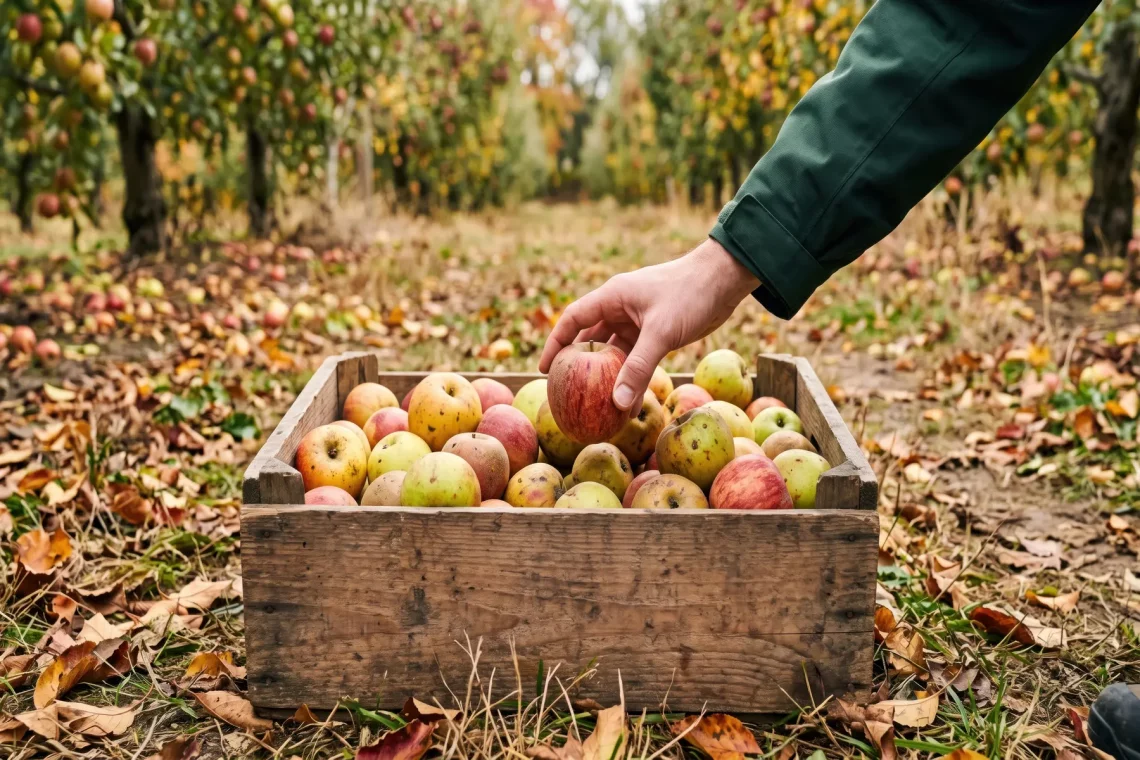
In the Netherlands, September is particularly busy in flower greenhouses, including chrysanthemums prepared for the autumn season, as well as in flower bulb sorting and the harvesting of fruit such as apples and pears and field-grown vegetables. In Germany, there is strong demand for workers involved in pumpkin and cabbage harvesting and, in some regions, grape harvesting. At the same time, preliminary recruitment for warehouse positions often begins in the second half of September, as companies build their teams ahead of the upcoming peak season.
- Agriculture and food production: harvesting apples, pears and vegetables, as well as caring for ornamental plants.
- Food processing: fruit and vegetable processing plants and fresh produce packing lines.
- Logistics preparation: receiving pre-season deliveries at distribution hubs.
October: Peak Recruitment in Logistics, E-commerce and Parcel Sorting Centres
In October, the international job market enters one of its busiest periods. Autumn employment opportunities increasingly focus on e-commerce and distribution centres. In both the Netherlands, which is considered one of Europe’s major logistics hubs, and Germany, large retailers and e-commerce companies expand their warehouse teams significantly.
The workers most in demand during this period include order pickers, forklift operators, particularly Reach Truck and counterbalance forklift drivers, parcel sorting staff and quality control workers. Many recruitment agencies also offer special sign-on bonuses and guarantee a high number of working hours in October, allowing employees to maximise their earnings before winter.
The most sought-after positions in October:
- Order picker: picking customer orders using voice-picking systems or handheld scanners.
- Parcel sorting worker: loading, unloading and scanning parcels at courier distribution centres.
- Forklift operator: working in high-bay warehouses – a position that often comes with a higher basic hourly rate.

November: The Final Recruitment Push – A Boom in Food Production, Manufacturing and Retail
November marks the peak operational period leading up to Black Friday, Cyber Monday and Christmas. For people looking for work at short notice, this can be a particularly active period, as recruitment procedures are often streamlined and employers need additional staff quickly.
During this month, demand is high not only in electronics and clothing warehouses, but also in food production and manufacturing. Chocolate factories, industrial bakeries, meat processing plants and fish processing facilities in Germany and the Netherlands increase production to prepare Christmas products for supermarket shelves. Employers are looking for packers, production machine operators and general production workers to support assembly and processing lines.
Germany vs. the Netherlands in Autumn: Comparing Pay, Accommodation and Benefits
Both Germany and the Netherlands offer competitive employment conditions, although the two markets differ in terms of pay structures and working arrangements:
- Pay and additional allowances: Germany has a statutory minimum wage of EUR 13.90 gross per hour, while collectively agreed rates are higher in many industries. In the Netherlands, a single statutory hourly minimum wage applies to workers aged 21 and over, currently EUR 14.99 gross per hour. During the autumn peak, shift work, weekend work and overtime can also come with additional allowances, with weekend rates sometimes reaching 150–200%.
- Accommodation and transport: In the Netherlands, recruitment agencies commonly provide agency accommodation that meets SNF certification standards, as well as transport to and from work, such as company cars or electric bicycles. In Germany, workers are more likely to find accommodation close to their workplace, although some employers require employees to have their own means of transport.
- Language skills: The Dutch labour market is relatively open to English speakers. Many warehouse and production jobs are available to people who speak English only. In Germany, German is more commonly preferred, although there are also plenty of logistics and production positions available to candidates without foreign-language skills.
Conclusion: Working in Germany and the Netherlands in Autumn – How to Plan Your Move and Increase Your Chances of Finding a Job
Autumn is undoubtedly one of the busiest periods of the year when it comes to recruitment. If you are looking for a quick start and a large number of working hours, jobs in Germany and the Netherlands between September and November can offer a wide range of opportunities. Logistics, food production and e-commerce provide numerous positions where additional bonuses and shift allowances can increase overall earnings.
To maximise your chances, don’t wait until the last minute. Apply 2–3 weeks in advance, prepare the necessary paperwork and decide which destination and type of work best suit your needs. You can also browse current job vacancies on the europa.jobs job portal, where you can find employment opportunities in Poland and abroad. Being proactive and flexible when it comes to shifts can help you build up your savings before the end of the year.
Related articles:
- https://blog.europa.jobs/en/art-working-in-a-warehouse-in-germany-what-does-a-typical-working-day-look-like/
- https://blog.europa.jobs/en/art-how-to-find-your-first-job-in-the-netherlands-without-work-experience/
FAQ
1. When is the best time to look for work in Germany and the Netherlands in autumn?
The largest number of vacancies usually appears between September and November. In September, agricultural, horticultural and logistics preparation jobs are particularly common. In October and November, demand for warehouse workers, parcel sorters, production staff and e-commerce employees increases.
2. Which industries offer the easiest access to jobs abroad in autumn?
In autumn, there are particularly many vacancies in logistics, warehousing, e-commerce, food production, processing and agriculture and horticulture. Popular positions include order picker, parcel sorting worker, forklift operator and production worker.
3. Do you need to speak German or Dutch to work in Germany or the Netherlands in autumn?
Not always. In the Netherlands, many warehouse and production jobs are available to English speakers. In Germany, German is more commonly required, but there are also positions that do not require knowledge of a foreign language, particularly in logistics and production.
4. Is it worth going to Germany or the Netherlands just for the autumn season?
Yes. Autumn is a period of increased demand for workers, particularly in the run-up to Black Friday and Christmas. For people interested in seasonal employment, it can be an opportunity to work for several months and increase their savings before the end of the year.