• For candidates - General information

    Preparing for Seasonal Work in the Netherlands – Tips and Checklists

    Preparing for seasonal work in the Netherlands involves more than just packing your suitcase. You also need to check the recruitment agency, gather the necessary documents and plan your tax arrangements for after you return. Before leaving, make sure you understand the employment conditions, have some savings set aside and know how to deal with the most important formalities.

  • For candidates - General information

    Disability Support Worker in Poland and Germany – Salaries and Benefits

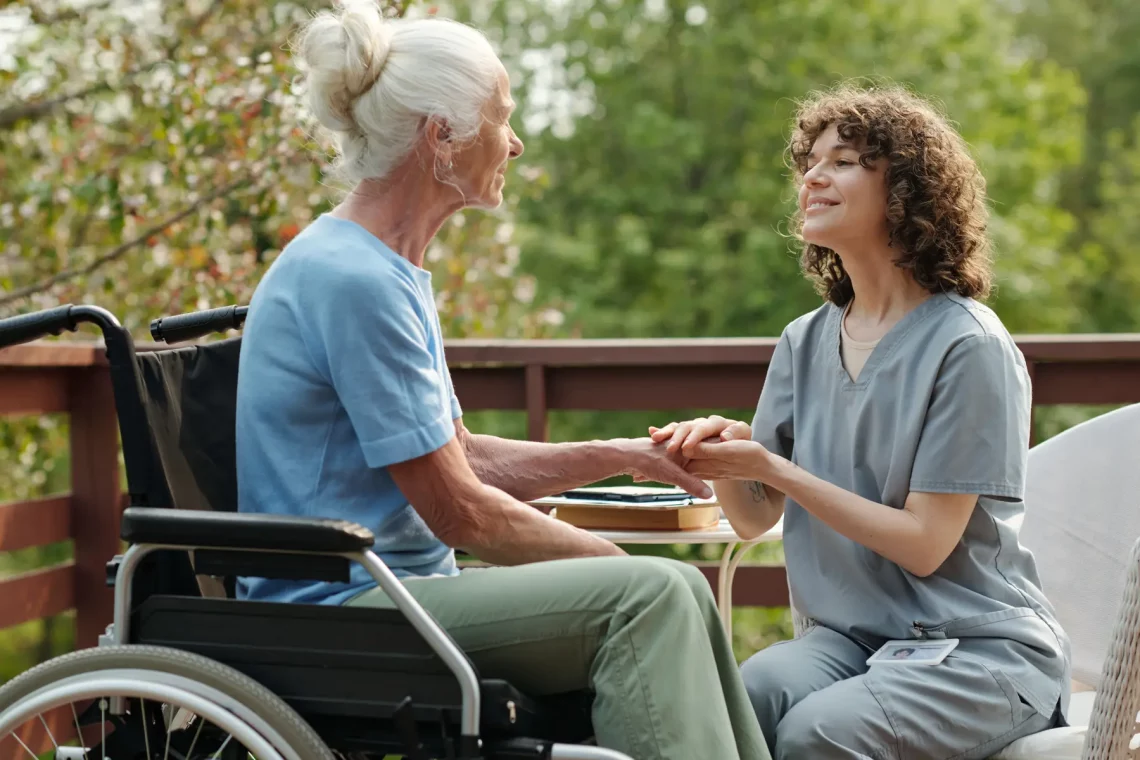
    Working as a disability support worker in Germany and Poland differs not only in terms of pay, but also in accommodation, meals, job security and working hours. Choosing the right country can have a significant impact on your daily comfort, responsibilities and opportunities for professional development. Find out what employment conditions each market offers and which option may be more beneficial for you.

  • General information

    How employers can make job opportunities easier to assess

    Before applying, candidates try to picture what a job would mean for their everyday lives. Employers can help them make that decision by explaining the work clearly and following through on the information they share. Describe an ordinary working day A broad job title can hide very different responsibilities. Someone considering an operations role may need to know whether the day involves customer contact, physical tasks, administration or a mixture of all three. Explain the main activities in language that people outside the organisation can understand. Working hours and location deserve equal attention. Explain the expected schedule, whether the role…

  • For candidates - General information

    Recognition of Professional Qualifications in Germany and the Netherlands: A Practical Step-by-Step Guide

    Going abroad to work offers many professionals the opportunity for dynamic career growth and a significant financial boost. However, simply holding a Polish diploma as a technician, nurse, engineer, or physiotherapist is often not enough to take up legal employment in an appropriate position. To earn local collective agreement rates and enjoy full employee rights, obtaining formal confirmation of your credentials becomes a crucial step. In this guide, you will learn how the recognition of professional qualifications works in Germany and the Netherlands, how to avoid costly formal errors, and how to present this process to a prospective employer.

  • For candidates - General information

    How Much Does a Nurse Earn in the Netherlands and What Can a Physiotherapist Expect to Make? Salary Report

    The Dutch healthcare market is facing one of the most serious staffing shortages in modern Western European history. An aging population, a wave of staff retirements, and growing demand for specialized long-term care are opening up broad opportunities for medical professionals from Poland. For qualified specialists, the Dutch system offers not only modern technological facilities and high working standards, but above all, transparent, attractive financial conditions regulated by collective labor agreements (CAO).

  • For candidates - General information

    How to Prepare for a Job Interview in Germany?

    A job interview in Germany differs in several ways from what candidates may be used to in other countries. German employers place great importance on being specific, reliable and able to demonstrate relevant professional experience. Therefore, proper preparation for the recruitment process can significantly increase your chances of getting hired. It is worth knowing what to expect from a job interview in Germany, what employers look for and how to stand out from other candidates.

  • For candidates - General information

    Greenhouse Worker in the Netherlands – Working Day, Salary and Requirements

    The horticultural sector in the Netherlands has been one of the country’s key economic pillars for decades. It is also one of the most popular destinations for people from across Europe looking for work abroad. Modern greenhouses are technologically advanced production environments where tomatoes, peppers, cucumbers, orchids, roses and potted plants are grown all year round. What continues to attract thousands of workers to this sector? Above all, predictable employment, financial stability and clear recruitment procedures.

  • For candidates - General information

    Pastry Chef in the Netherlands and Poland – Where Is It Better to Work in 2026?

    In 2026, a pastry chef in the Netherlands can expect to earn around EUR 14.99–20.63 gross per hour, while in Poland, actual salaries start at approximately PLN 4,000 gross per month, with experienced pastry chefs able to earn PLN 8,000–12,000 gross or more. However, the answer to the question of where it is more profitable to work depends not only on the country, but primarily on the type of position, experience and place of employment.

  • For candidates - General information

    Welder Jobs in the Netherlands – A Comprehensive Guide to the Market, Salaries and Requirements

    For many skilled workers, moving abroad for work is an opportunity for professional development and a significant increase in income. The Netherlands has attracted specialists in technical professions for years, and welder jobs in the Netherlands continue to be in high demand. The Dutch economy relies on advanced shipbuilding, steel construction and the petrochemical industry, creating a steady demand for skilled workers.

  • For candidates - General information

    Solar PV Installer in Poland and Germany – How Much Can You Earn?

    A solar PV installer in Germany can expect to earn around EUR 14.50–21 gross per hour, while in Poland, the reference salary for electrical installation workers is approximately PLN 5,600 gross per month. The difference becomes even more noticeable when daily allowances and accommodation provided by an employer or agency are added to the German base rate. However, moving to Germany does not automatically mean higher earnings in every job offer. Experience, region, language skills, type of employment and the rules for calculating additional payments all play an important role.